
Bornholms Museum
Island history from the gold foil figures to 1945
Bornholms Museum in Rønne tells the island's whole story - from over 1,800 tiny gold foil figures found at Sorte Muld to the Soviet bombing of Rønne in 1945.
Contents
Right in the middle of Rønne, on Sankt Mortens Gade, Bornholms Museum is the only place on the island that tells its whole story under one roof - from the Stone Age hunter-gatherers through seafaring and everyday life to the dramatic days of May 1945. The museum society was founded in 1893 and opened in 1894 in the town's old hospital building; today the rambling collection of old buildings serves as the headquarters of a four-site museum organisation.
The gold foil figures from Sorte Muld
The highlight sits in display cases fitted with magnifying glasses: the gold foil figures, stamp-sized pieces cut from wafer-thin gold, made around 550 to 600 AD and thought to be cultic offerings. Excavations at the Iron Age central site of Sorte Muld near Svaneke turned up around 2,500 of them in the 1980s - over 1,800 are on display here, the largest gold foil figure collection in the Nordic region. The detail on these fingernail-sized figures only really comes through on close inspection.
From the Stone Age to the Cold War
The permanent exhibitions cover much more ground: archaeology, the island's Swedish episode, seafaring, Bornholm's distinctive grandfather clocks, and everyday life with a historic schoolroom and toy collection. The section on the Second World War and the Cold War is particularly striking - the German occupation, the Soviet bombing of Rønne and Nexø in May 1945 (which came after the rest of Denmark had already surrendered), and the Soviet occupation that followed until 1946. Anyone who drives around the island afterwards will look at Rønne's rebuilt districts with new eyes.
Getting there and practical tips
- The museum sits right in central Rønne, about a 10-minute walk from the ferry terminal, with town-centre parking within walking distance.
- Steps from the street and between floors limit accessibility - wheelchair users are best calling ahead.
- Hjorths Fabrik is just a few minutes' walk away; the Fællesbillet combined ticket (175 DKK, valid a week) covers both sites plus Erichsens Gård and the Melstedgård agricultural museum.
Is it worth visiting?
Absolutely as a first stop on the island - visiting here early makes it much easier to make sense of the round churches, Hammershus and the fishing villages afterwards. With free admission under 18 and the play room, it also works well as a family outing or a rainy-day plan - more on that in our travel tips guide.
Frequently asked questions
How much does admission cost? +
What are the gold foil figures? +
Is the museum open on Sundays? +
Is it worth visiting with children? +
Is there a café? +
Nearby
Hjorths Fabrik
Hjorths Fabrik in Rønne is both a ceramics museum and a working pottery - since 1859. Potters work the wheel and kilns, and the shop sells current output.
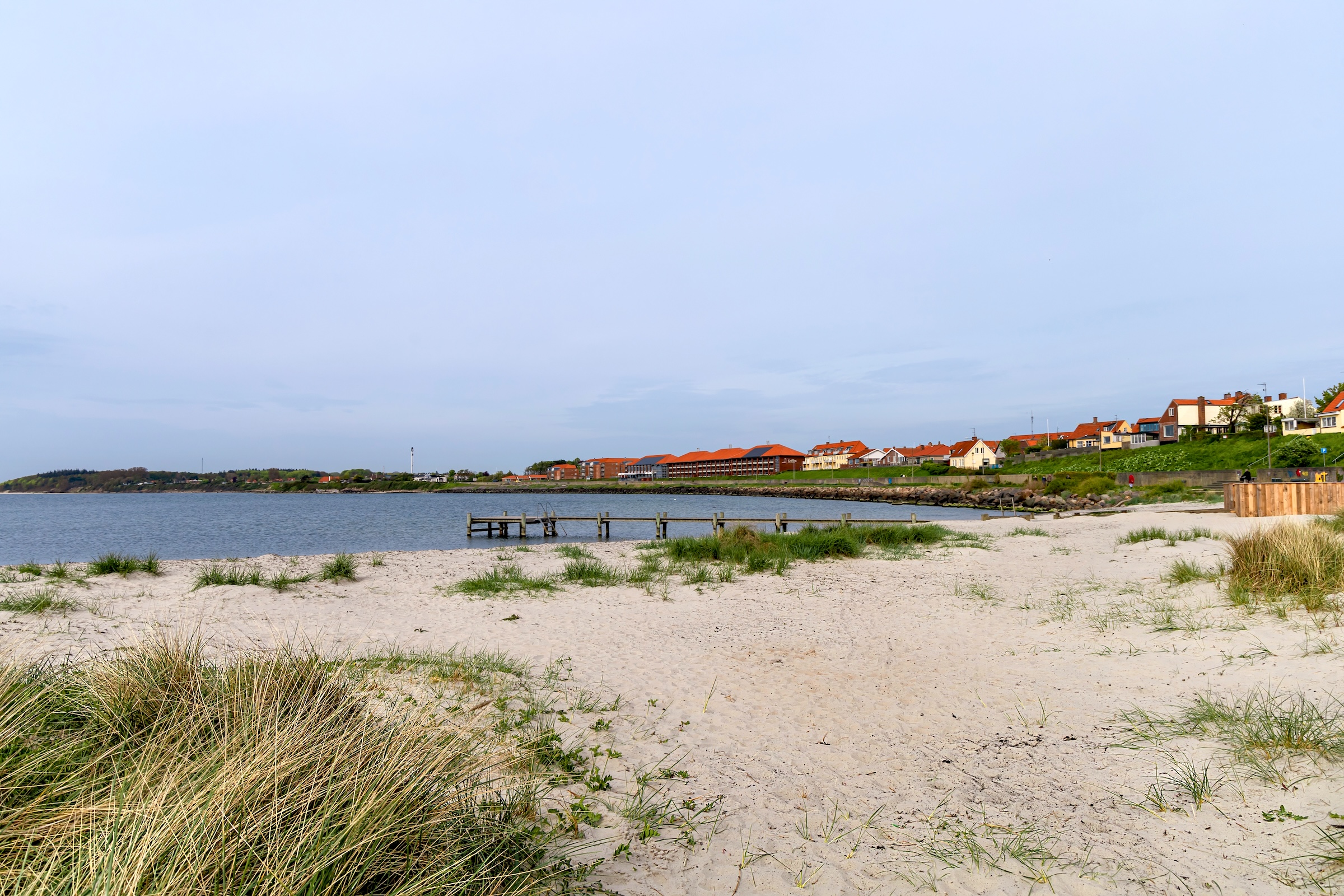
Rønne Beaches
Four bathing beaches near Rønne compared: Antoinette for families, Galløkken with its groynes, Nørrekås by the harbour, Stampen for quiet. Access, sand, facilities.
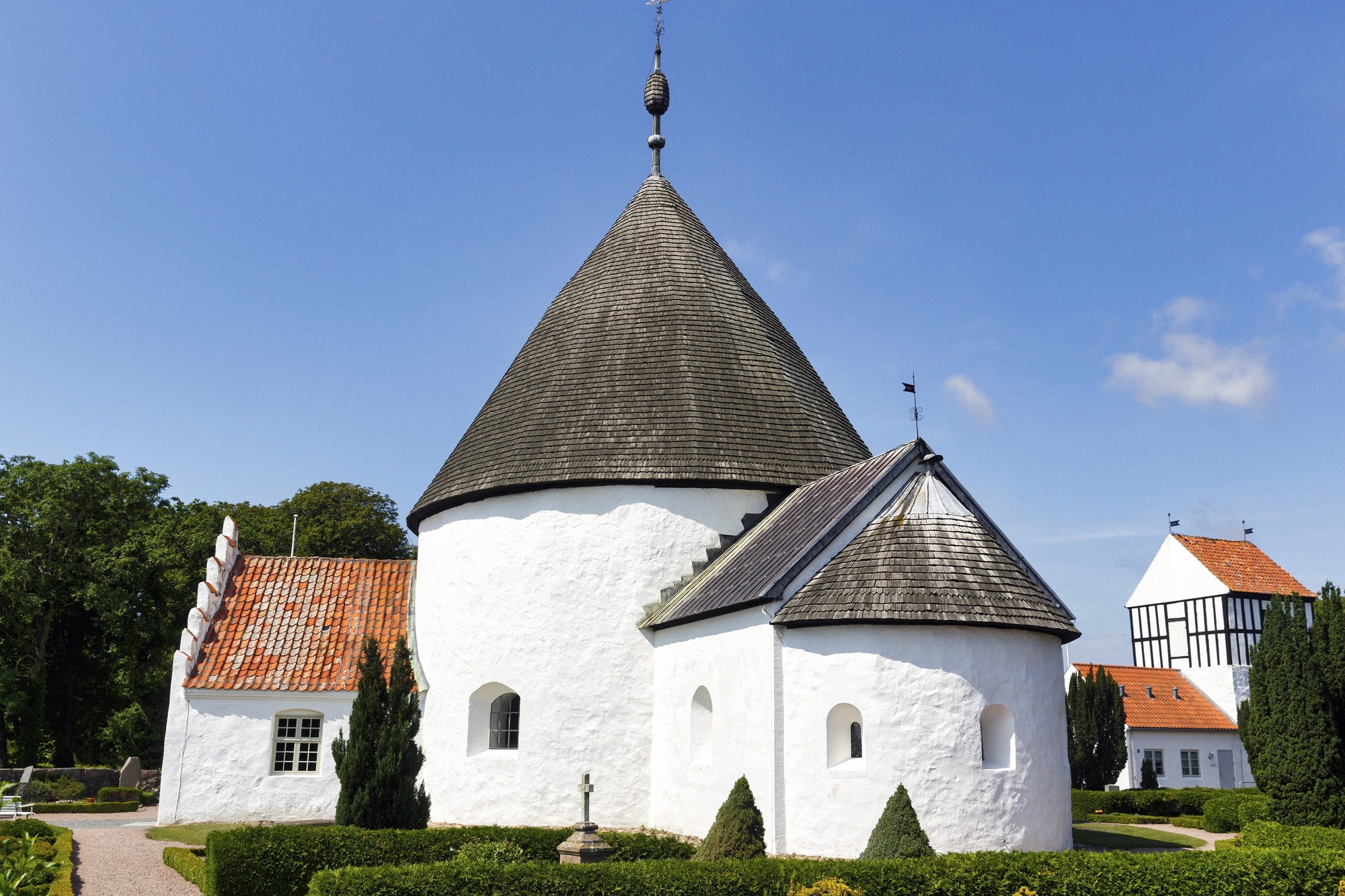
Nyker Round Church
The Nyker Round Church (Ny Kirke) is the smallest and youngest of Bornholm's four round churches, with a limewash-fresco frieze of the Passion story and the famous 1618 plague tablet.
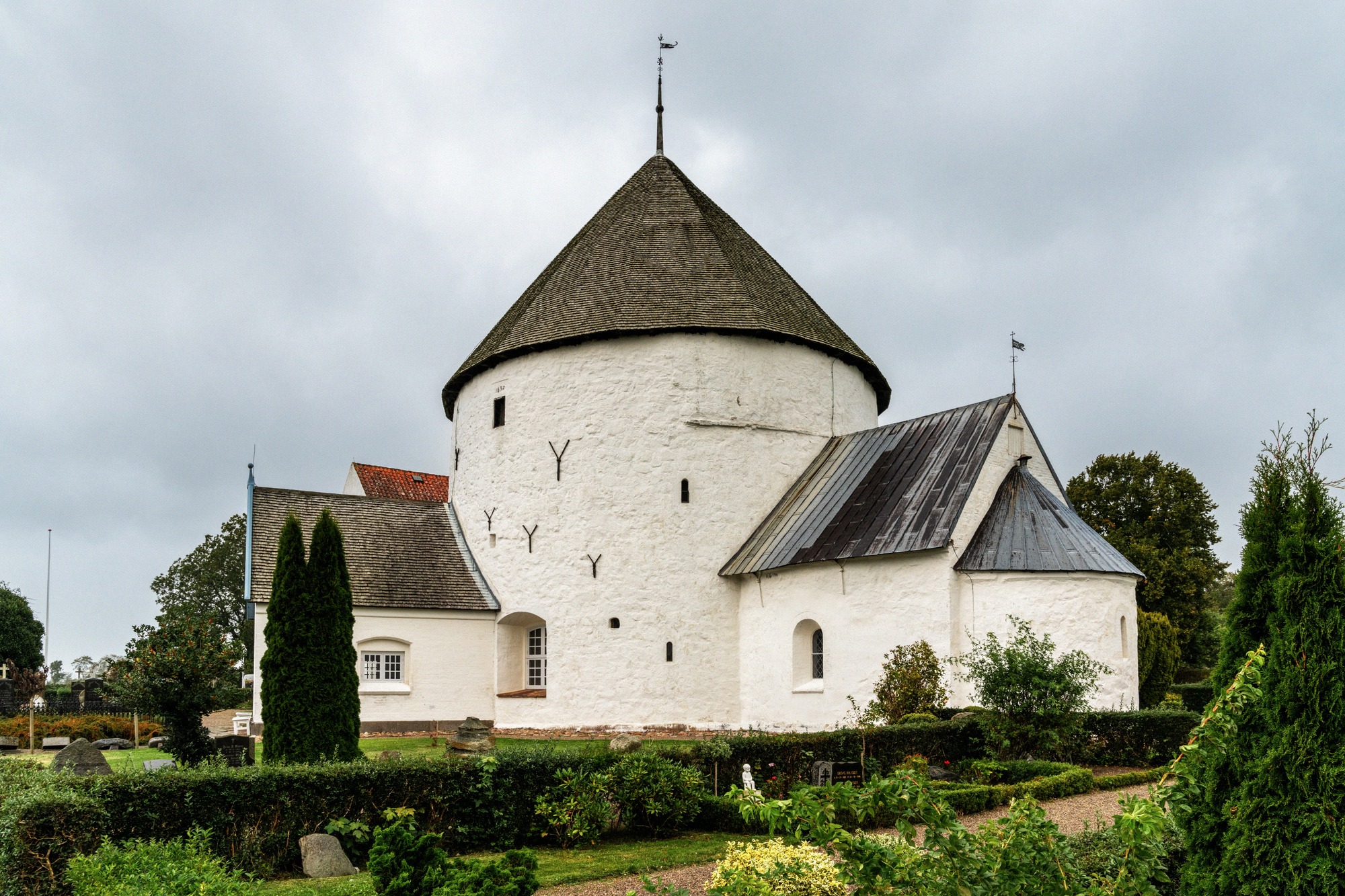
Nylars Round Church
Built in 1165, Nylars is Bornholm's best-preserved round church, with Creation frescoes from around 1275 and free admission, just 8 km from Rønne.
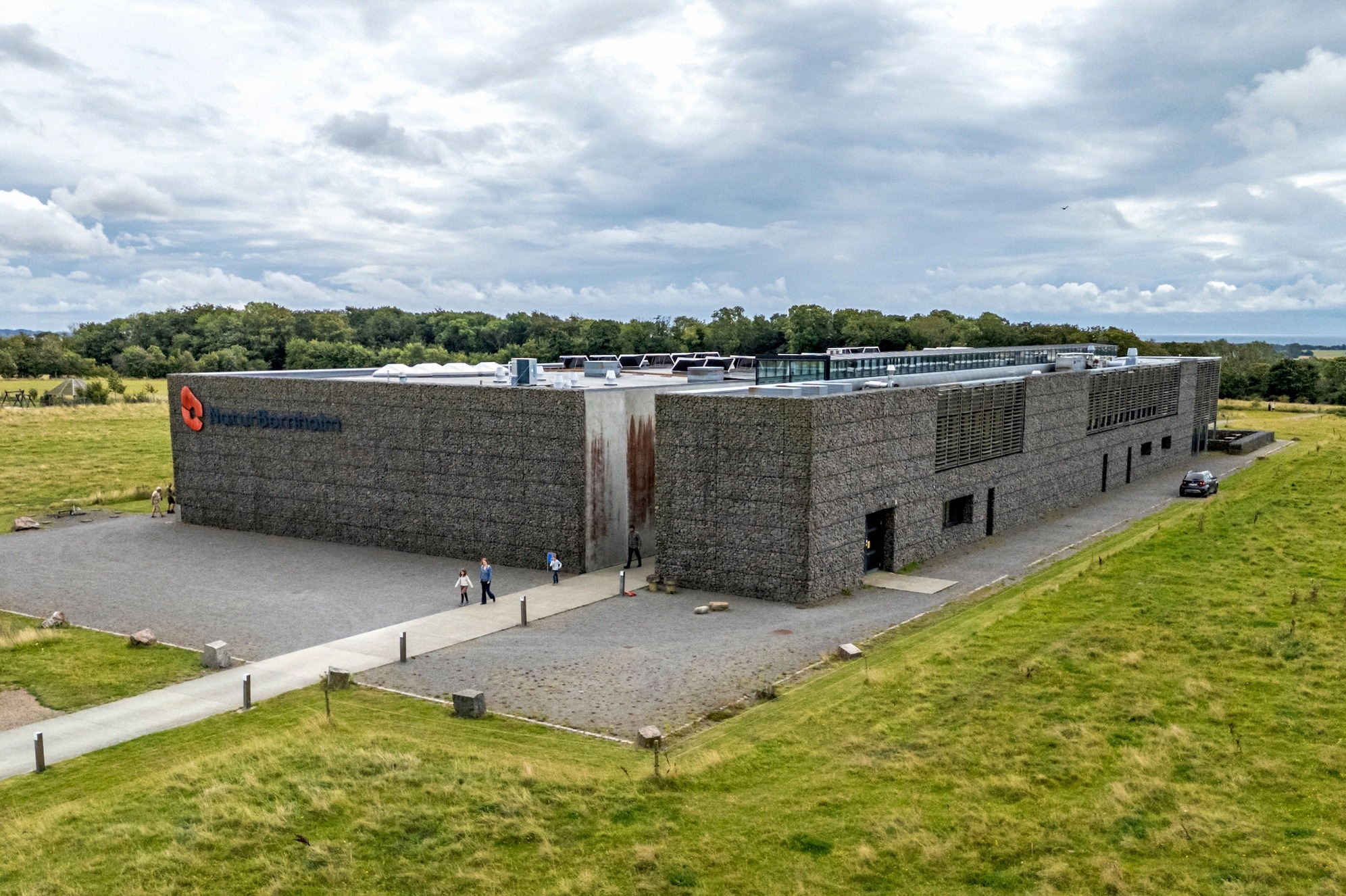
NaturBornholm
NaturBornholm in Aakirkeby takes you on a journey through 1.7 billion years of Earth history, with a time machine, dinosaurs, live crocodiles and Henning Larsen architecture.
Boderne Beach
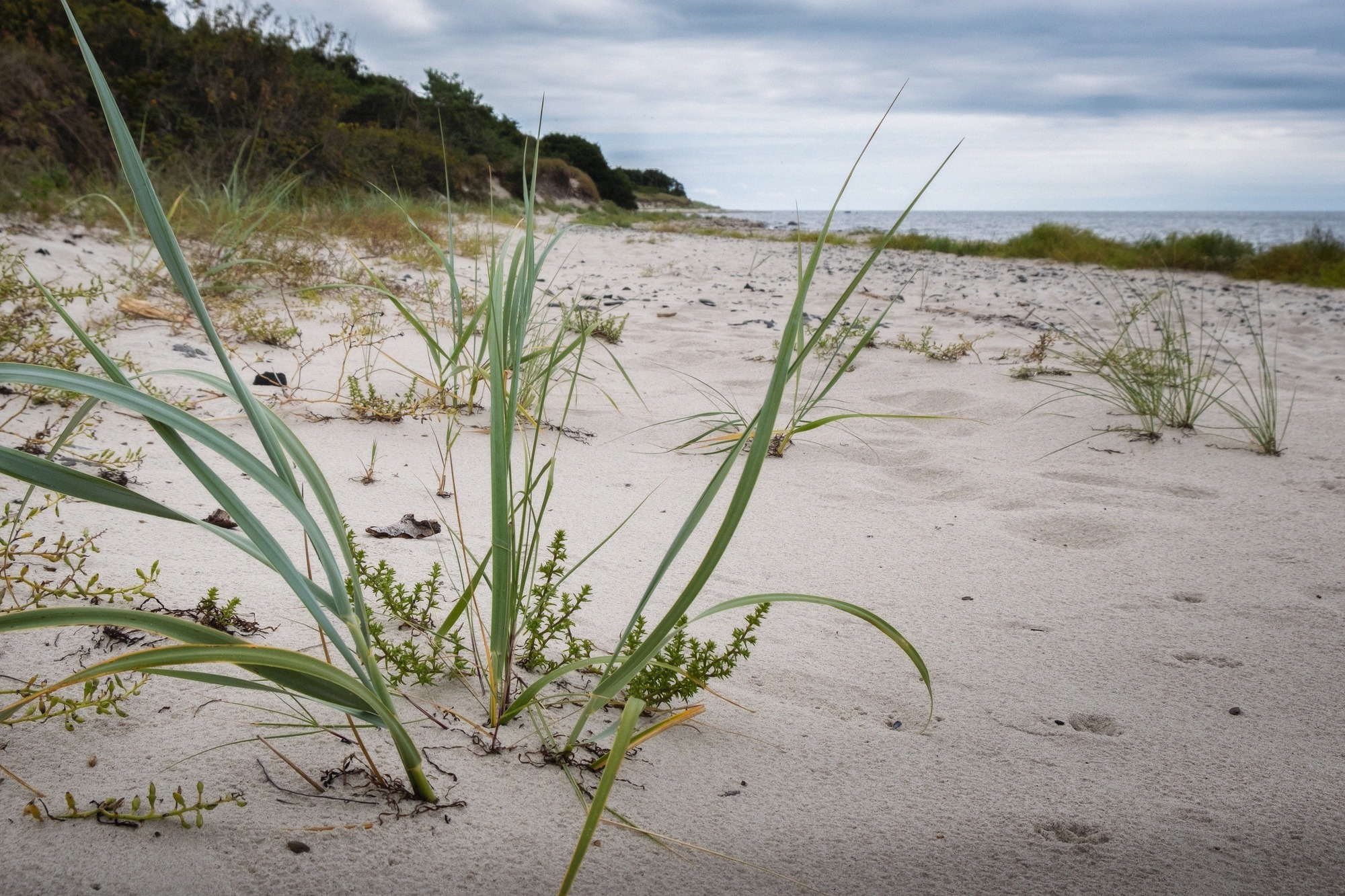
Sheltered sandy beach between Dueodde and Rønne with a small harbour, café and the Stærmose outlet. This is where the Læså, Bornholm's longest river, meets the Baltic.