Rønne on Bornholm
Ferry port and half-timbered old town on the west coast
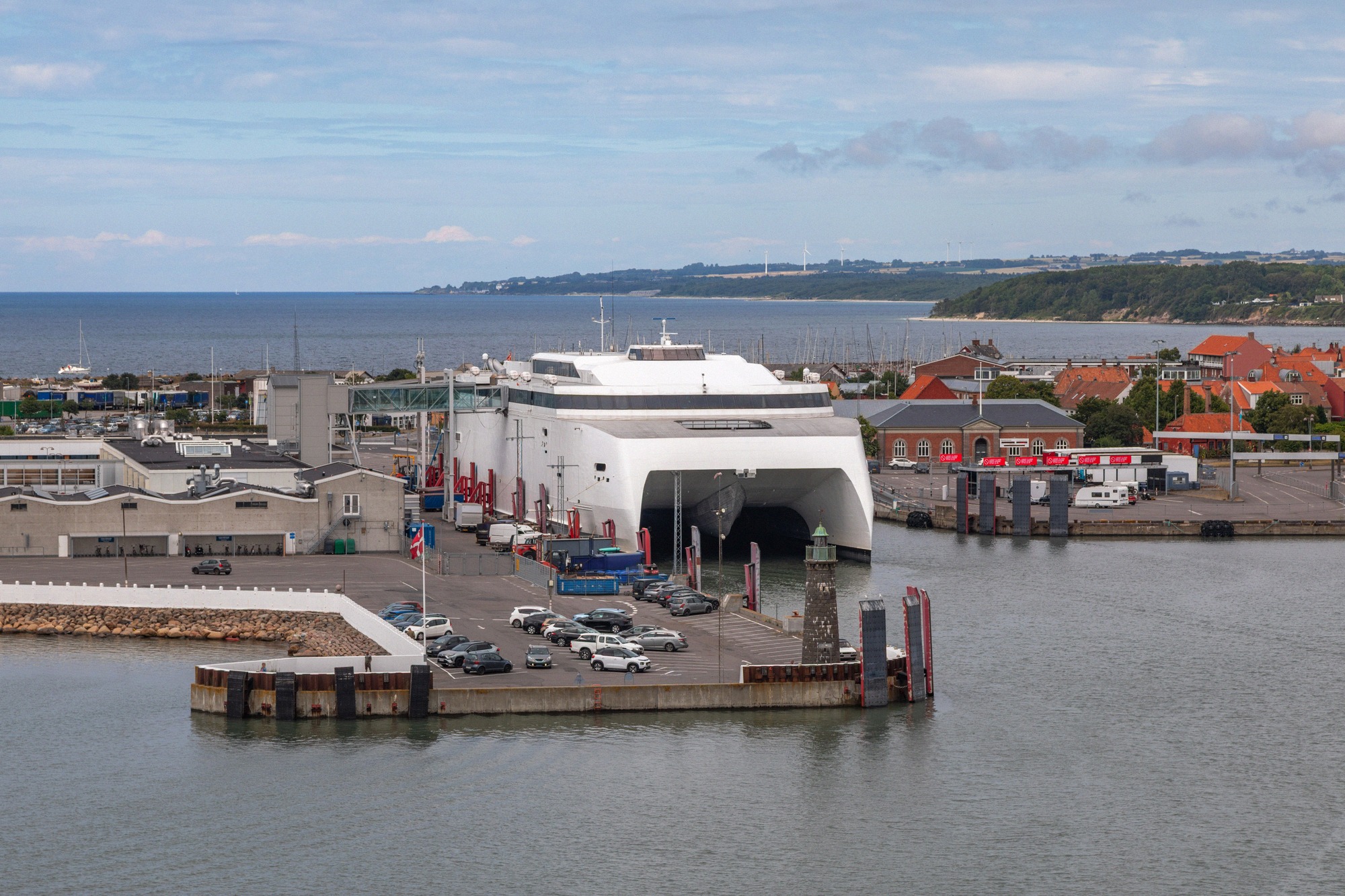
Rønne is Bornholm's main town and ferry port, with a half-timbered old town, Store Torv, museums and short walks from the harbour to the centre.
Contents
The gateway to the island
Rønne sits on the west coast and is Bornholm's largest town and administrative centre. If you're arriving by ferry, this is almost certainly where you'll land: Rønne harbour is the main gateway across the Baltic, with crossings from Ystad in Sweden, from Sassnitz on Rügen in Germany, and from Køge near Copenhagen. The island's bus network is also centred on Rønne, so it's a convenient base for reaching every corner of Bornholm.
The town centre is within walking distance of the ferry terminal, so Rønne is more than just an arrival point. Old town, market squares, museums and harbour can all be combined on foot in a single day, without a car, and the shops and restaurants are all in the same quarter. How to reach the island in the first place is covered in the overview on getting to Bornholm; the individual crossings are compared in the guide to the ferries to Bornholm. If you're coming ashore for a day as a cruise passenger, the guide to cruises to Bornholm is the page you want. If you're here purely for the beach, the separate guide to Rønne's beaches covers Antoinette, Galløkken, Nørrekås and Stampen directly.

Through the old town
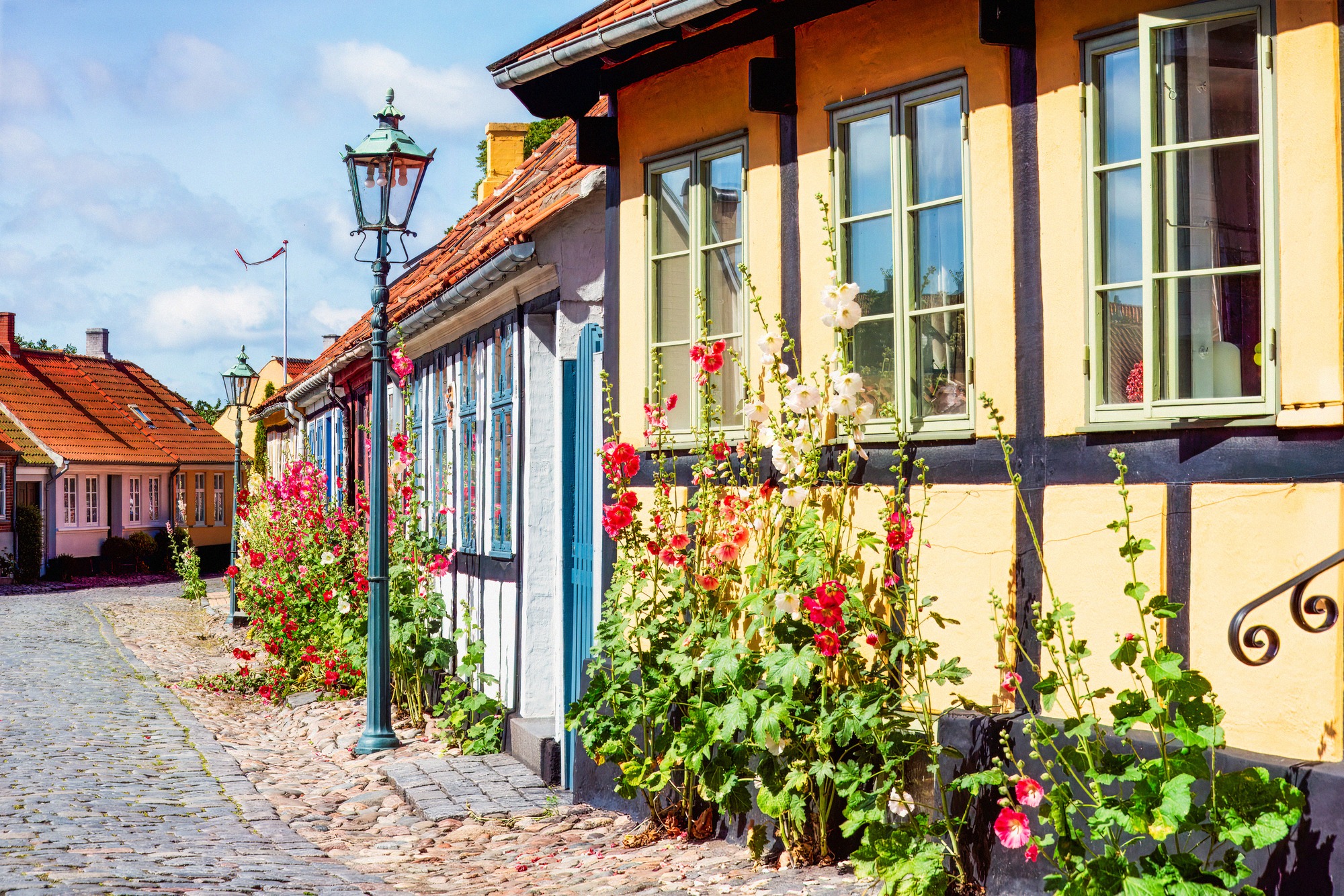
The historic old town begins right behind the harbour. Around the two market squares, Store Torv and Lille Torv, colourful half-timbered houses line cobbled lanes whose layout has changed little since the 17th century. Because distances are short, the centre is best explored on foot, with small shops, cafés and craft workshops inviting you to wander.
Right by the harbour stands Sankt Nicolai Kirke, Rønne's town church. A little further up, above the harbour entrance, the Rønne Lighthouse, built in 1880, marks the coastline.

The Svenskehuse
A piece of wartime history still shapes the townscape today. On 7 and 8 May 1945, just after the end of the war, Soviet aircraft bombed Rønne and neighbouring Nexø, because the German occupying forces on Bornholm had not yet surrendered. Large parts of the town were destroyed. As emergency aid, Sweden donated around 300 prefabricated timber houses to the Bornholmers, about 225 of them went up in Rønne, the rest in Nexø. These pastel-coloured "Svenskehuse" (Swedish houses), in blue, green, yellow and pink, still stand today and have become a popular residential area.
Museums and theatre
Rønne is also the island's cultural centre. The Bornholms Museum traces the island's history from the Viking Age to the present day. At Hjorths Fabrik, a 19th-century ceramics workshop, pottery is still demonstrated by hand, a reflection of Bornholm's long craft tradition. The Bornholms Forsvarsmuseum, in the old fortress, is devoted to the island's military history.
One curiosity is the Rønne Theatre: opened in 1823, it's considered Denmark's oldest theatre still in use, and celebrated its 200th anniversary in 2023.
Rønne in a day
For a first visit, a compact loop works well and keeps backtracking to a minimum:
- Morning, harbour and old town: start at Sankt Nicolai Kirke, then walk through the small lanes to Lille Torv and on to Store Torv.
- Midday, market and cafés: Store Torv has the widest choice for a break. Afterwards, choose between the Bornholms Museum and Hjorths Fabrik, depending on your interests.
- Afternoon, coast: head back to the harbour and on to Nørrekås for a short look at the water. For a longer stay at the beach, go on to Antoinette or Galløkken.
If you only have a few hours between two ferry crossings, focus on the harbour, Sankt Nicolai Kirke and the old town. With a full day, add a museum and finish with a stretch of coastline.
Rønne as a base
Rønne is the island's transport hub: the BAT bus network radiates out from the town, so you can reach every corner of Bornholm without a car. It is around 25 kilometres by road to Sandvig at the northern tip, and about the same towards Dueodde in the south - from here, the island can be taken in over a single day. A cycle path also runs along the coast through the pine woods of Blykobbe Plantage; routes and distances are collected in the guide to cycling on Bornholm.
Swimming is right on the doorstep. The character, facilities and access of the four bathing spots are compared in the guide to Rønne's beaches; every beach on the island is listed in the overview of Bornholm's beaches. For eating, shopping and the other towns, see the guides to food and drink, shopping and the overview of towns and villages.
Around Rønne on Bornholm
Rønne Beaches
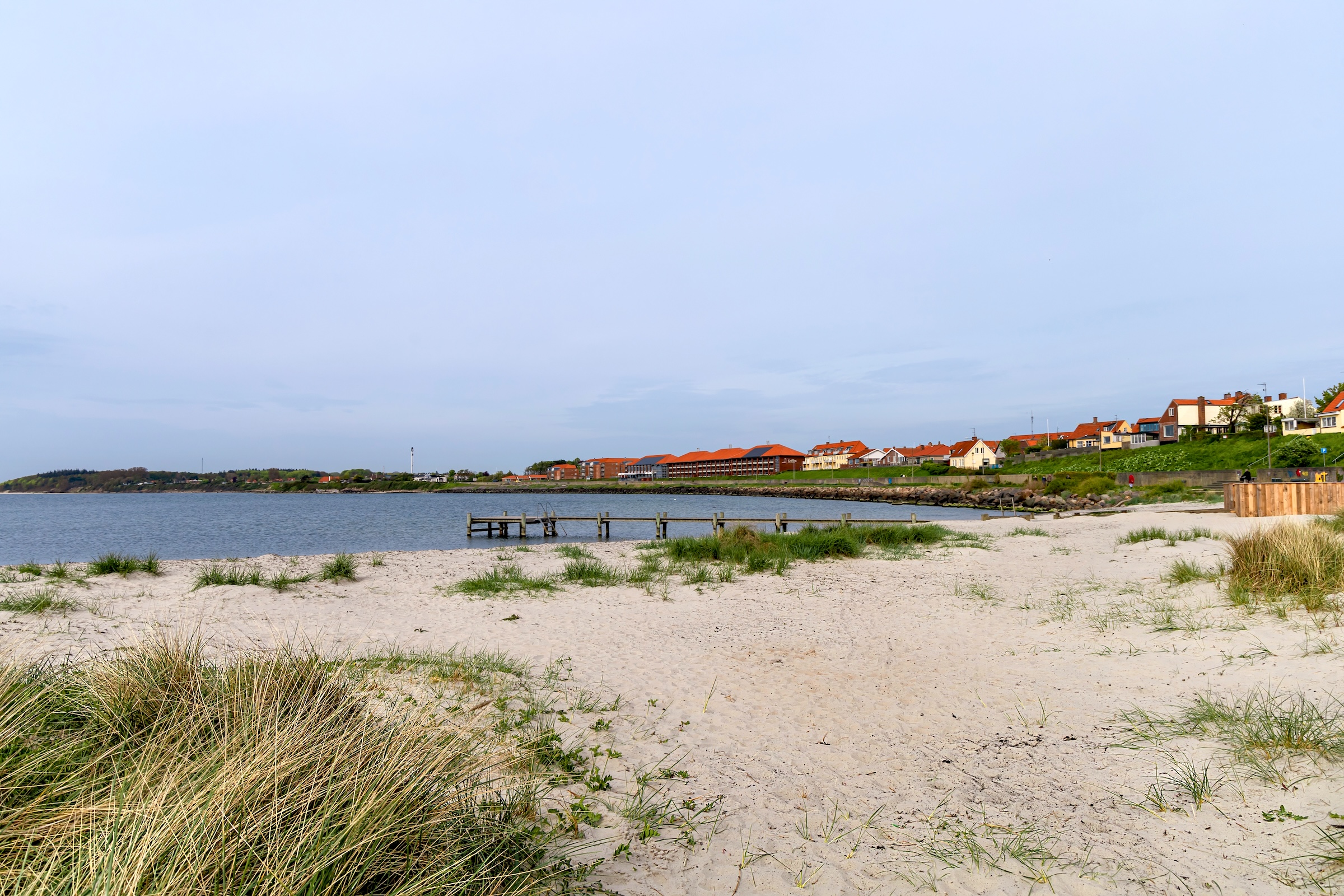
Four bathing beaches near Rønne compared: Antoinette for families, Galløkken with its groynes, Nørrekås by the harbour, Stampen for quiet. Access, sand, facilities.
Bornholms Museum
Bornholms Museum in Rønne tells the island's whole story - from over 1,800 tiny gold foil figures found at Sorte Muld to the Soviet bombing of Rønne in 1945.
Hjorths Fabrik
Hjorths Fabrik in Rønne is both a ceramics museum and a working pottery - since 1859. Potters work the wheel and kilns, and the shop sells current output.
Nyker Round Church
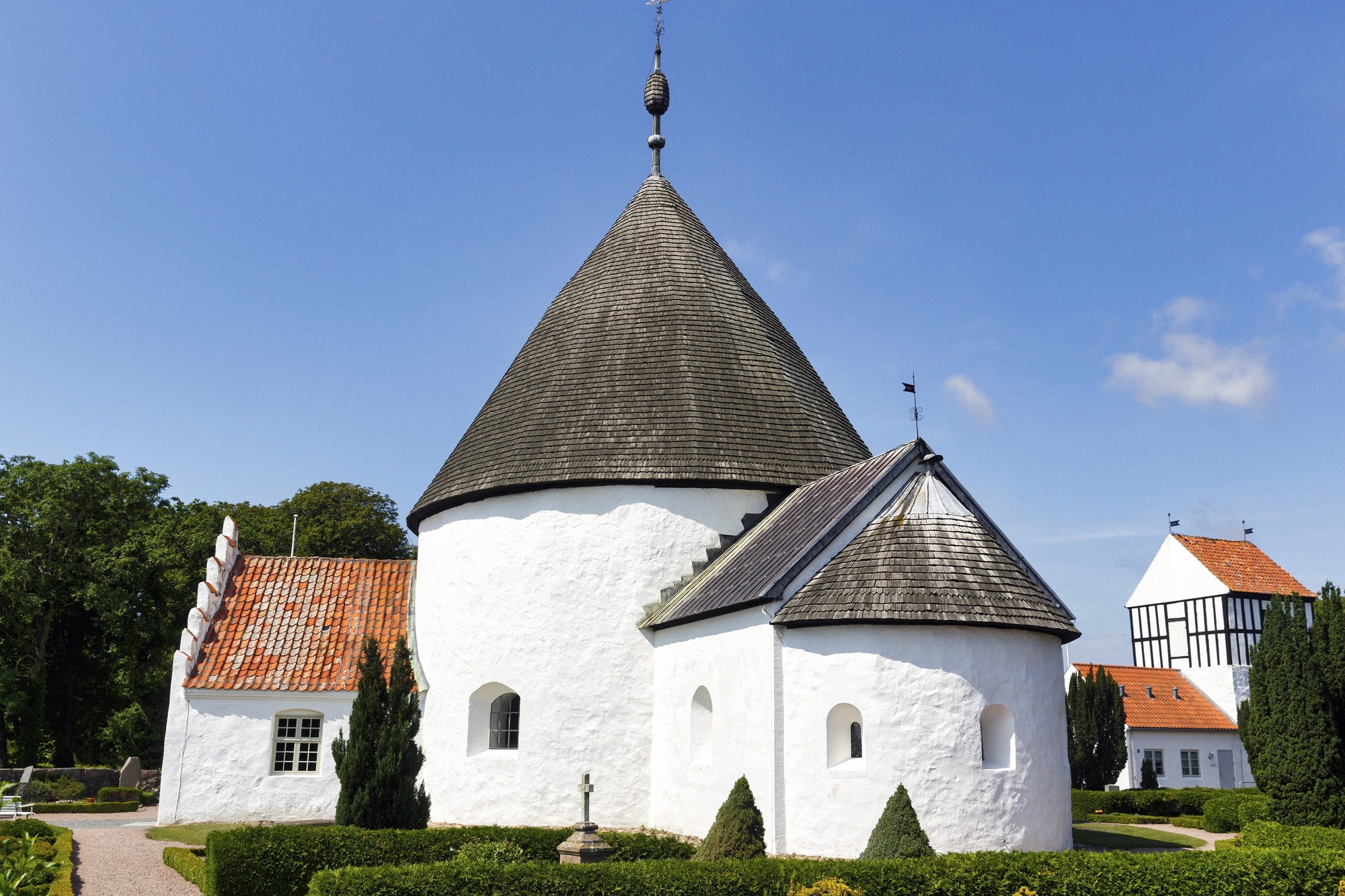
The Nyker Round Church (Ny Kirke) is the smallest and youngest of Bornholm's four round churches, with a limewash-fresco frieze of the Passion story and the famous 1618 plague tablet.