
Where to Stay
Overview
Holiday home, hotel or campsite - which type of accommodation on Bornholm suits you, what it costs and when to book. The overview.
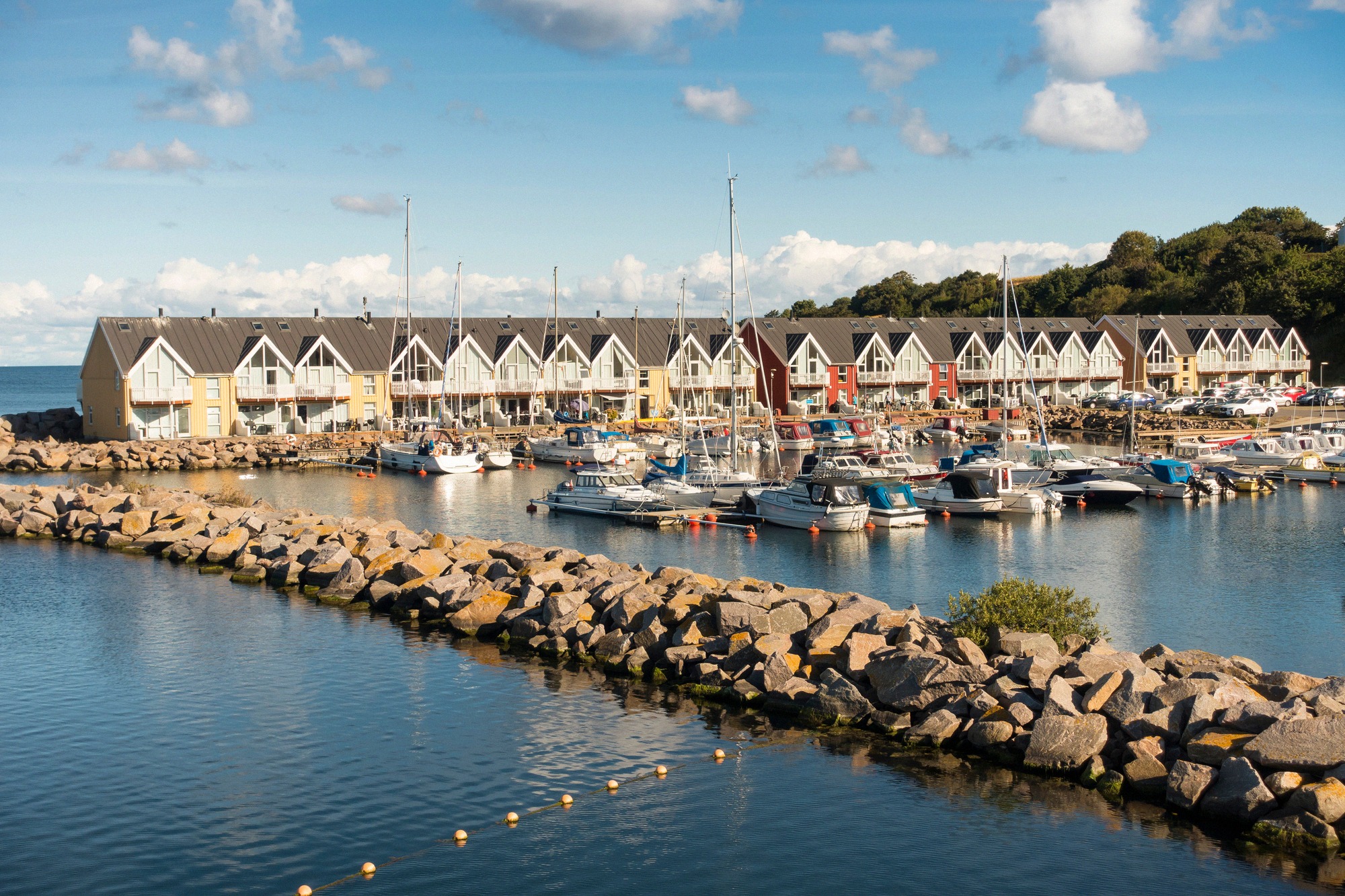
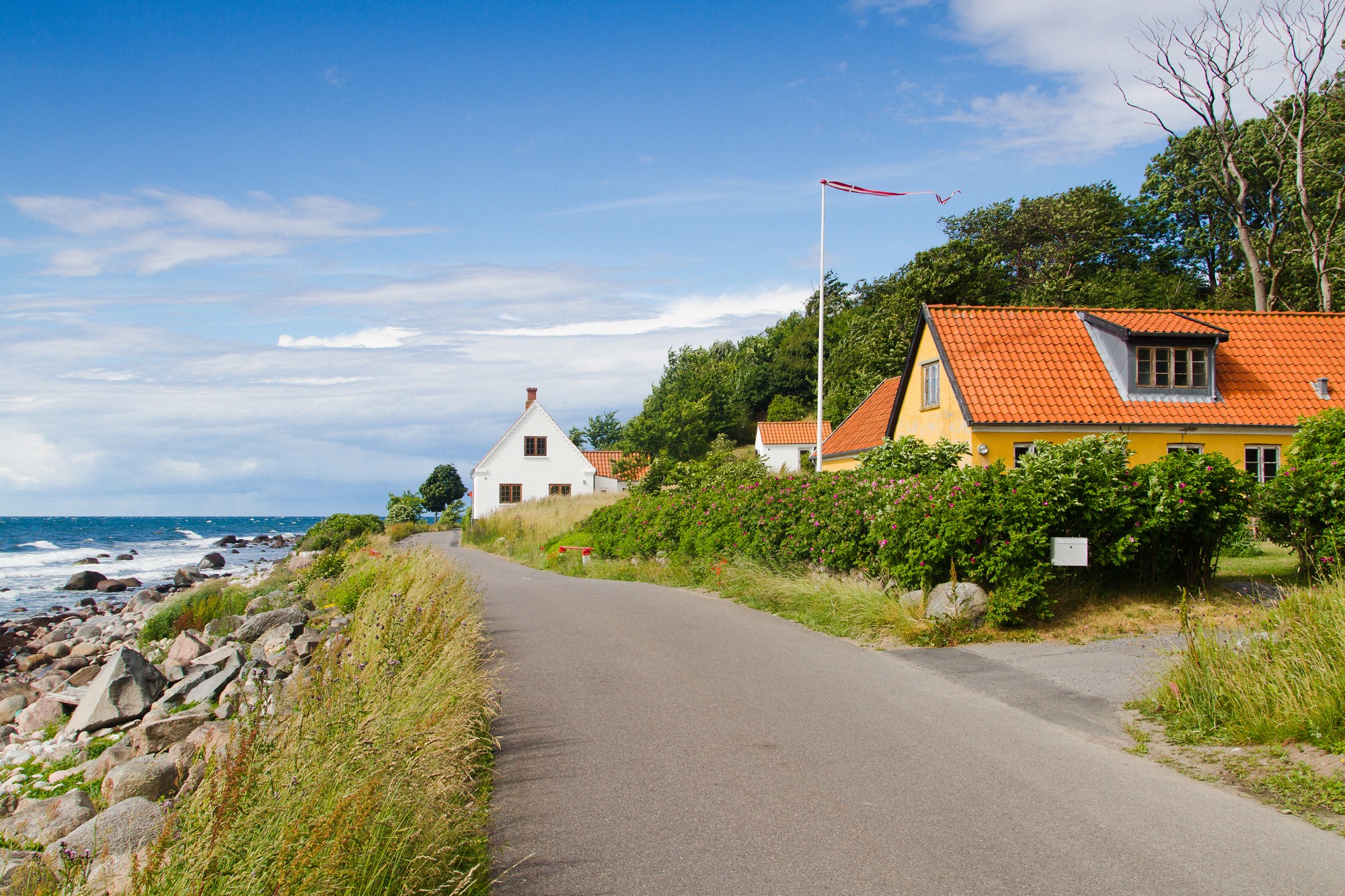
Bornholm is a classic holiday island, and that shows in the range of beds on offer - from a self-catered holiday home, through hotels and the typically Danish seaside hotels, to campsites and shelters out in nature, there's something for almost every taste and budget. This guide sorts the accommodation types: who they suit, roughly what they cost, and when to book. The details for each type are in the separate guides to holiday homes, hotels and camping.
Which type of accommodation fits best depends mainly on your travel party, length of stay and appetite for service. A rough guide:
If you're still undecided, the three linked guides cover the actual sites, houses and prices in detail.
Holiday homes are the backbone of tourism on Bornholm. Two big Danish specialists share most of the market: NOVASOL advertises what it calls the island's largest selection, at over 1,000 properties, while DanCenter is the second major agency, with everything from classic to luxury houses. Aggregators such as HomeToGo bundle listings from many providers on top of that - the thousands of results they show are platform listings with the same house often appearing several times, not that many actual properties.
Prices span a wide range: in high season, a week runs roughly 9,000 to 15,000 DKK (about €1,200 to €2,000), dropping to around 3,700 DKK (about €500) in low season. Beachfront houses and properties with a sauna or pool sit at the upper end. Day-to-day figures swing a lot with season and location, so treat these as a guide rather than a fixed number.
Worth knowing for budgeting: with Danish holiday homes, the rental price is usually not the final price. Bed linen, towels and final cleaning are typically not included - they're booked separately or paid on site - and electricity and water are often billed by consumption. On the equipment side, Wi-Fi, a kitchen with dishwasher and microwave, a washing machine and a tumble dryer are standard today, sometimes underfloor heating too. Upmarket and luxury houses add a sauna, hot tub, fireplace and sometimes a pool and direct sea views, for instance around Sandkås or Østre Sømarken. Full details on regions, extra costs and providers are in the guide to holiday homes.
If you'd rather book service and comfort, Bornholm has hotels in every price bracket - the biggest concentration is in the main town and ferry port, Rønne. Three properties illustrate the range:
Budget properties start at around 700 DKK (about €94) a night, while the upmarket seaside-hotel segment, starting around 1,850 DKK, runs two-and-a-half to three times that. There's no reliable island-wide average by category, only opening rates for individual properties. A Bornholm speciality is the traditional seaside hotel (badehotel): stylish, often historic properties right on the sea with upmarket dining. The Stammershalle Badehotel on the north coast between Gudhjem and Allinge (Sdr. Strandvej 128), for example, is a 4-star property on the cliffs with 36 rooms, some with a balcony and sea view. In the northern harbour town of Sandvig sits the stylishly renovated seaside hotel Nordlandet. Many hotels and seaside hotels are seasonal, however, typically running from around early May to late September. Which properties are where, what they cost and when they're open is covered in the guide to hotels.
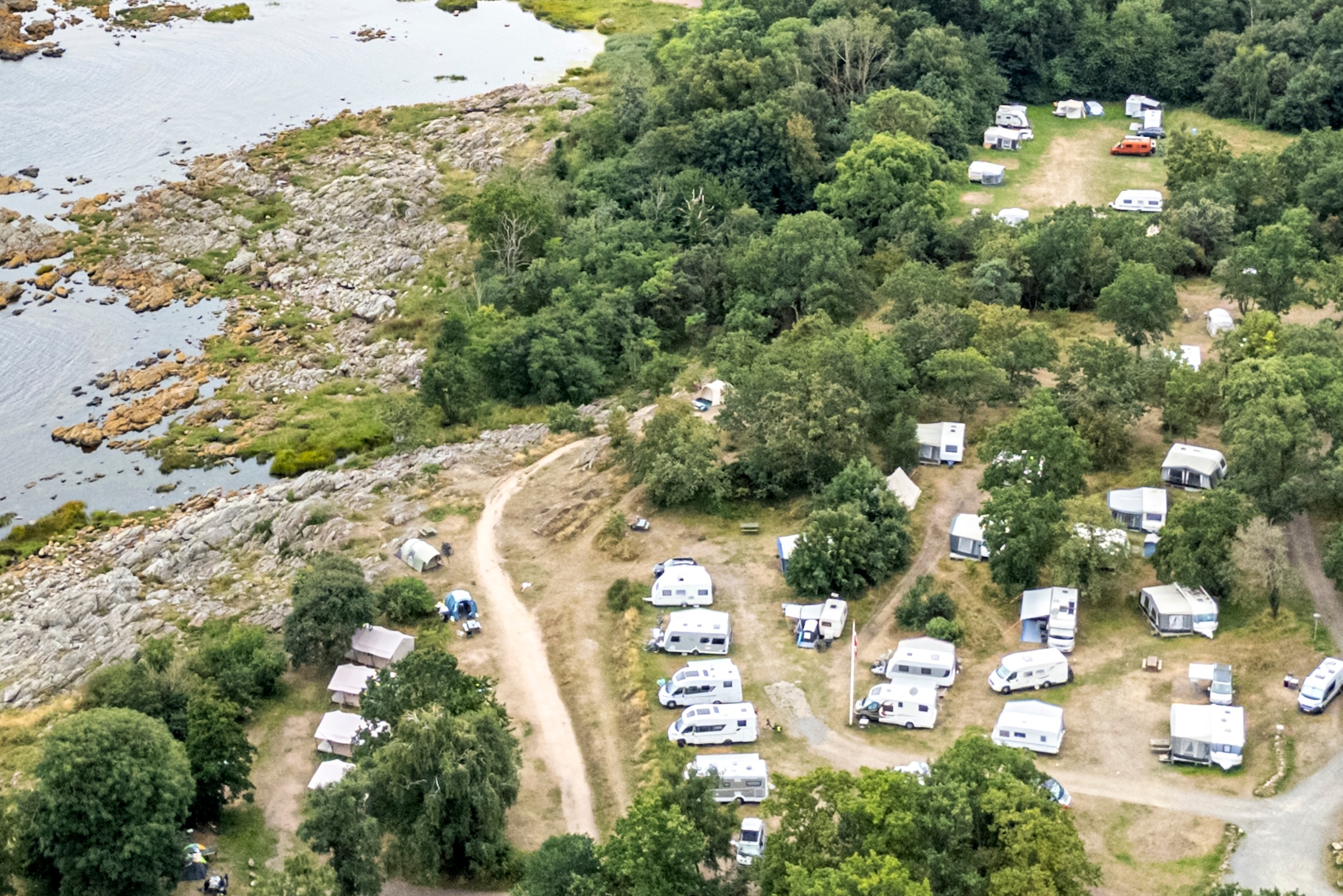
Camping is the cheapest and most flexible way to explore the island. VisitBornholm lists sites spread across every direction: in the north, Lyngholt and Sandvig; in the west, DCU-Camping Rønne Strand (Galløkken) and Hasle Camping; in the east, Gudhjem with Gudhjem Camping and the separate Sannes Familiecamping, plus Hullehavn near Svaneke; and in the south, several sites around Dueodde.
A night's camping is made up of a per-person fee, a pitch fee and usually separate electricity. Typical rates run around 95 to 120 DKK per adult and 55 to 70 DKK per child. For a family of four in their own motorhome, that comes to around 590 DKK a night (about €79) at Hullehavn in high season; it gets noticeably cheaper in the low season, since the pitch fee drops to as little as 40 to 50 DKK instead of up to 145 DKK. Camping cabins start at around 480 to 600 DKK (about €64 to €80), and safari or glamping tents cost 785 to 1,275 DKK (about €105 to €171).

One planning point: most sites are seasonal, open roughly from late March or April to September or October. Gudhjem Camping, for example, runs from mid-March to mid-October, neighbouring Sannes Familiecamping runs in several blocks from 28 March to 19 October, and Møllers Dueodde Camping only from mid-May to mid-September. An exception is Hasle Camping on the southern edge of Hasle (about 200 metres from the sandy beach), which stays open year-round, with around 190 pitches plus rental caravans, cabins for two to eight people and glamping. Which sites beyond Hasle stay open all year isn't consistently documented - when in doubt, check with the site directly before travelling.
If you want to sleep for free entirely, use wild camping: in the Naturstyrelsen forests of Rø Plantage, Blykobbe Plantage, Pedersker Skov and Nord-Almindingen, it's allowed free of charge and without booking under the 1-2-3 rule. Simple shelters on state forest land cost 0 to 30 DKK. Prices, individual sites and the exact rules for wild camping are in the guide to camping.
The tourist high season falls in July and August; the true peak usually starts after Midsummer around 21 June, with the nationwide Danish school summer holidays. During this window, accommodation and ferries are at their most expensive and book out earliest. If you have flexibility, travelling either side of it is both cheaper and quieter: May and June are considered better-value, drier months with emptier beaches, and September is the best-value month for holiday homes. One upside: Bornholm is the Danish region with the most sunshine hours per year and has a slightly milder climate than the rest of the country. A fuller breakdown of the months is in the guide to weather.
Popular towns such as Rønne, Gudhjem, Dueodde and Allinge fill up early in high season, and that applies equally to holiday homes, hotels and campsites. Because ferries get tight and pricier at the same time, it's best to organise accommodation and the crossing together, and early. The sources don't give a firm number of weeks' notice - the clear advice is simply to book as early as possible for high season. Travel in May, June or September instead, and you'll find far more choice and lower prices. How to actually get to the island is covered in the guides to getting there and ferries; an overview of the best swimming spots is in the beaches hub.