
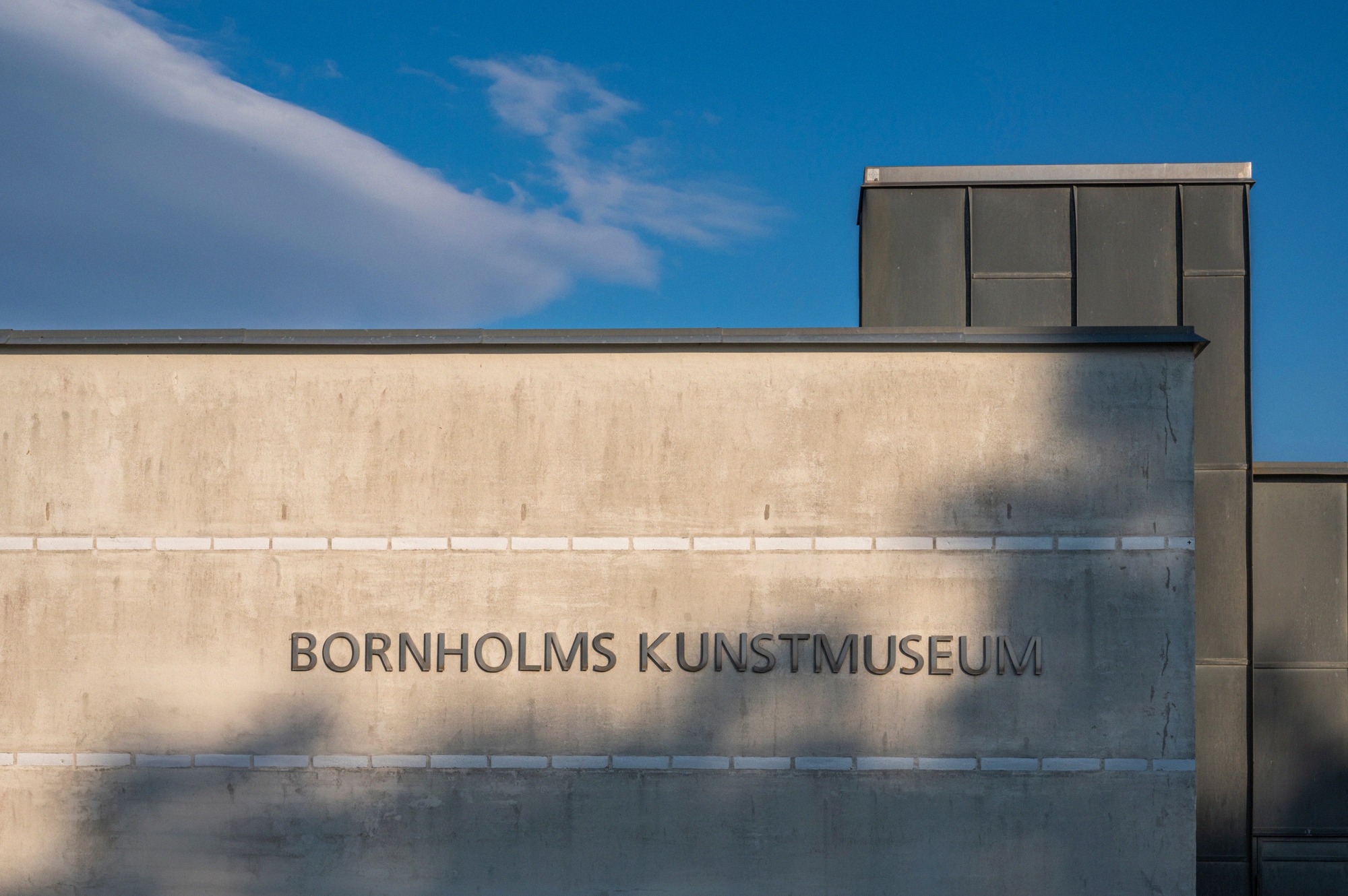
Bornholm Art Museum
Art of the Bornholm School of painters at the Helligdomsklipperne cliffs
Overview
Bornholm's most important attractions at a glance, from the Hammershus castle ruin to the Hammeren lighthouses and the fortress island of Christiansø, with prices and tips.
Art of the Bornholm School of painters at the Helligdomsklipperne cliffs
Island history from the gold foil figures to 1945

1684 sea fortress with two tower museums
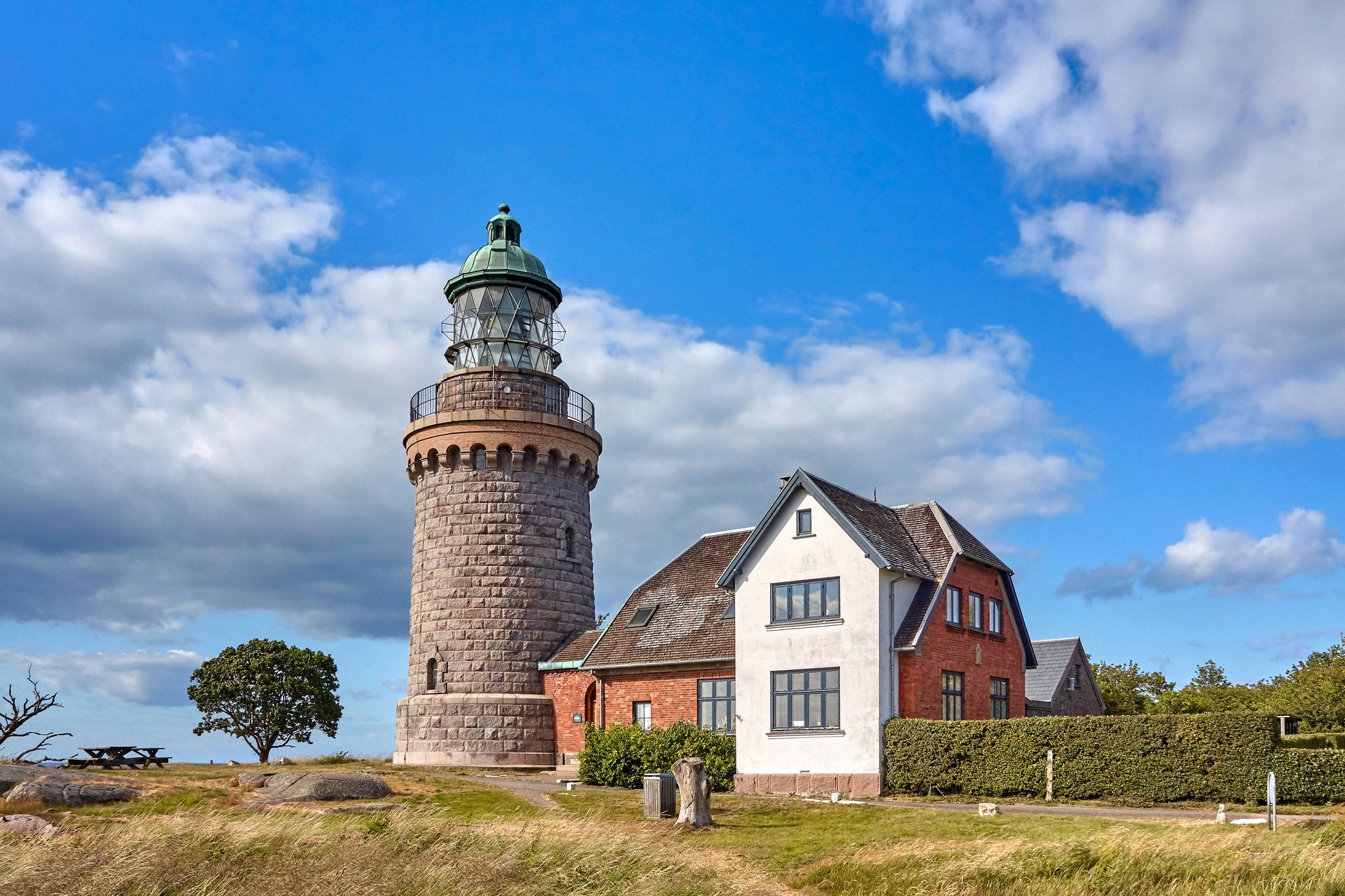
The lighthouse you can climb on Hammeren
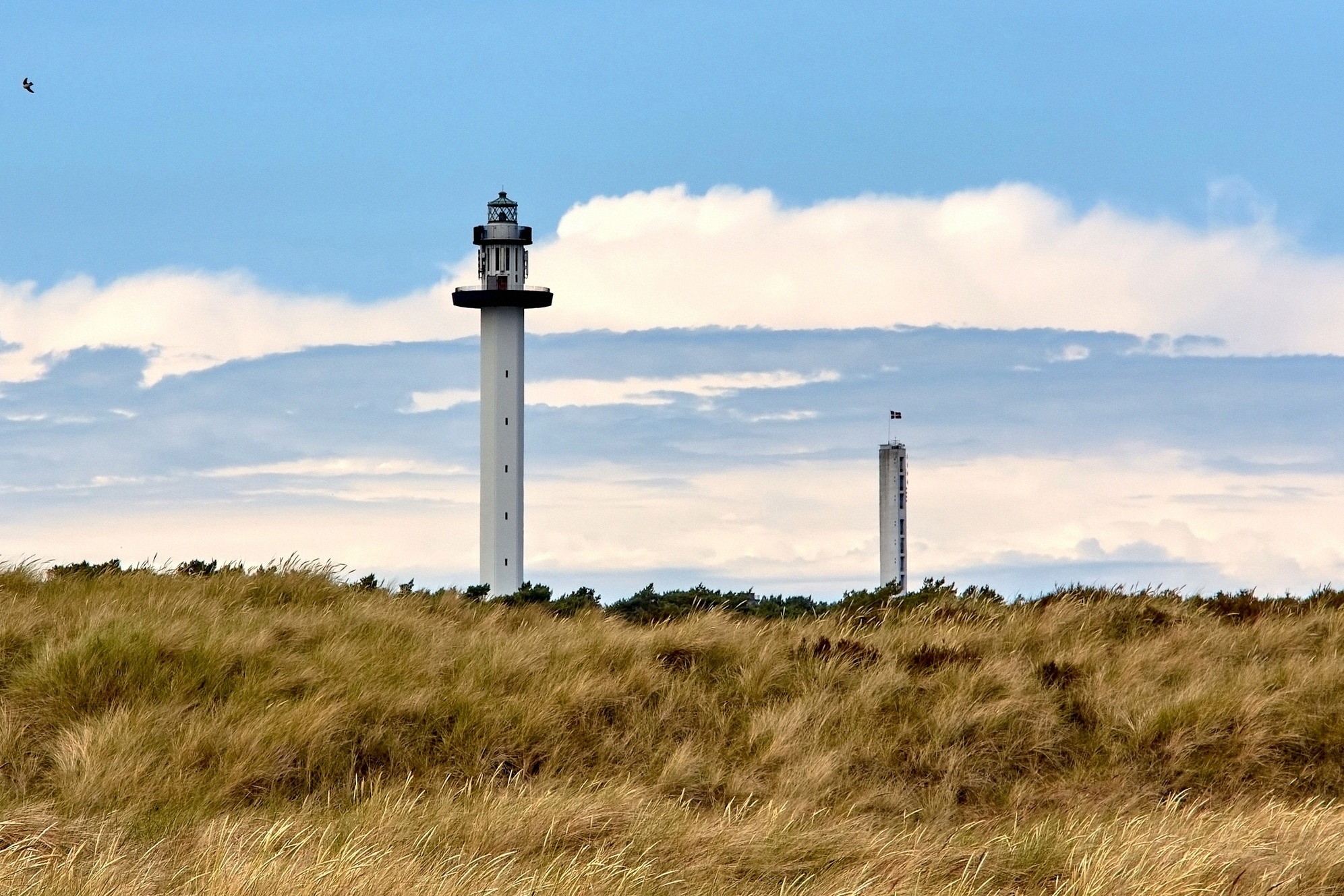
Denmark's tallest lighthouse, on Bornholm's southern tip
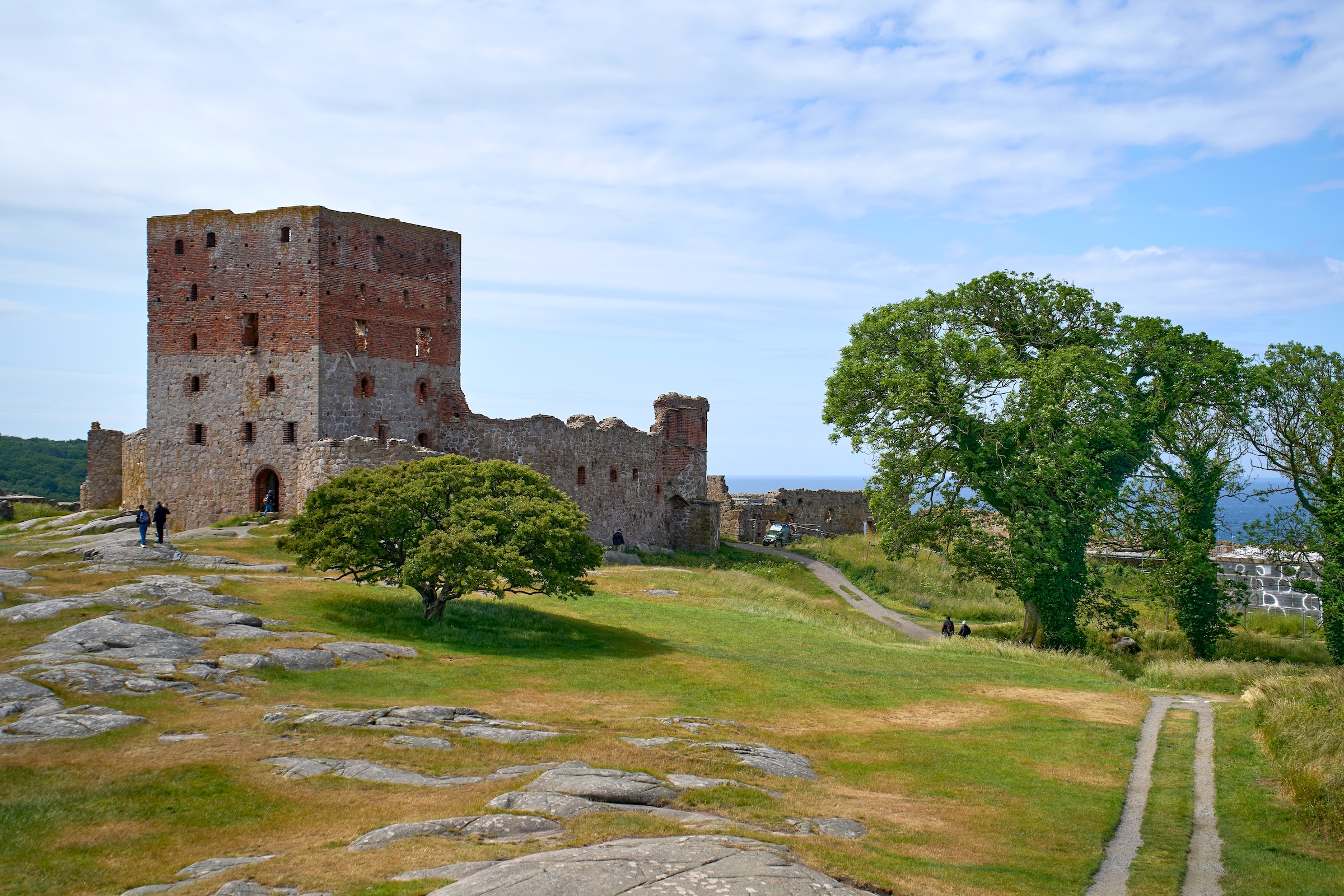
Castle ruin on a 74m cliff above the Baltic Sea
A living ceramics museum in Rønne since 1859
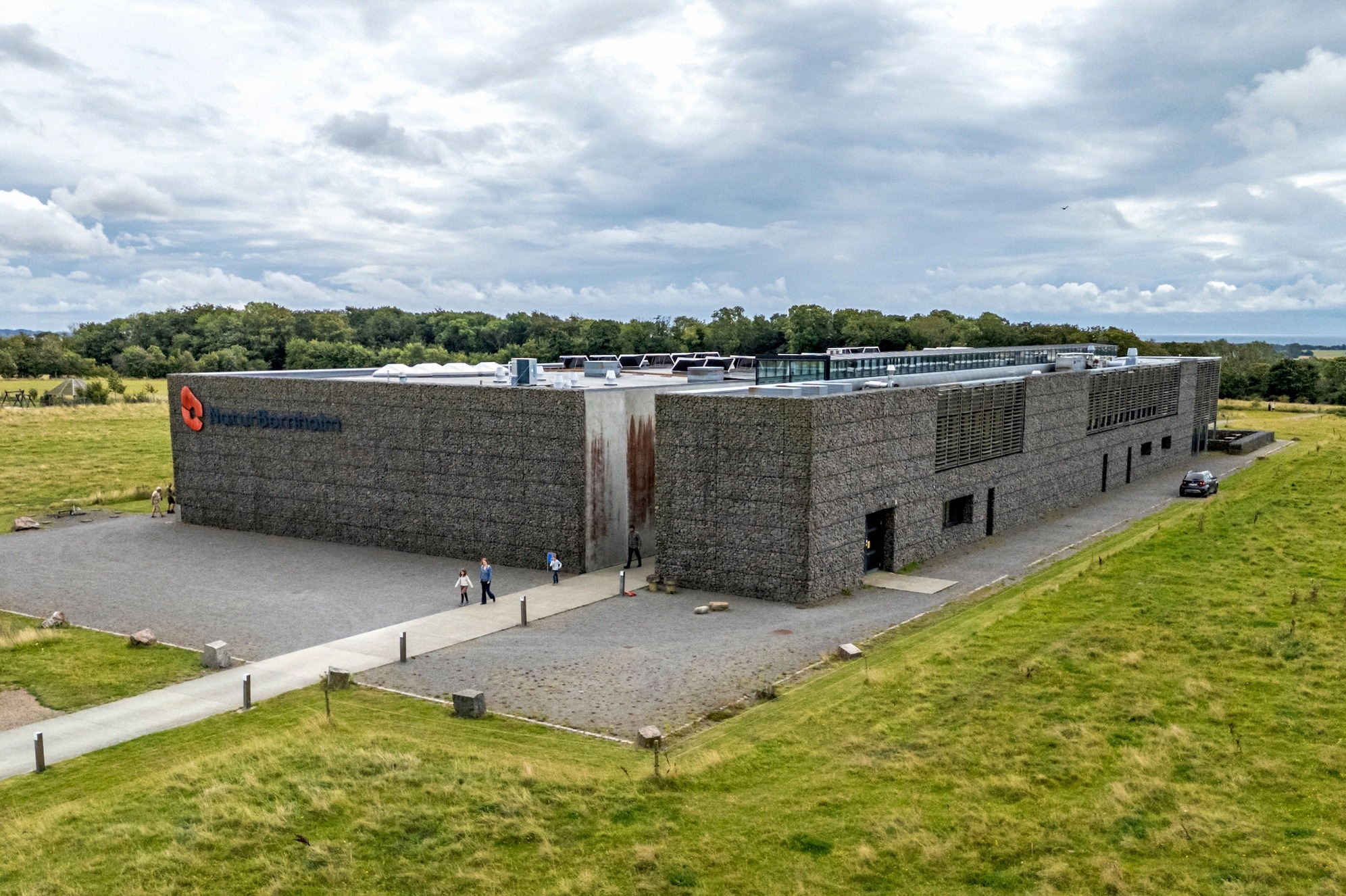
Nature centre covering 1.7 billion years of Earth history
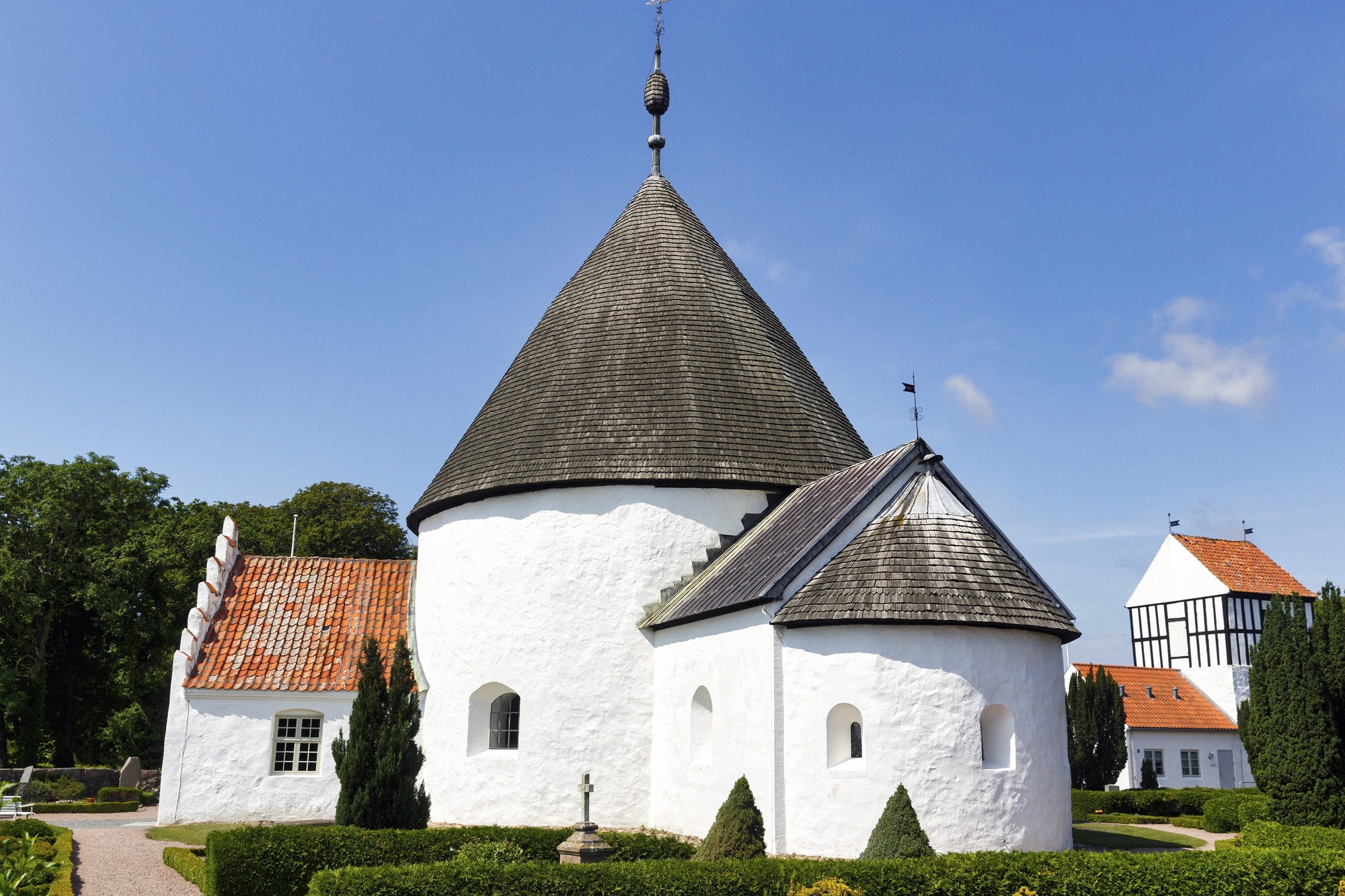
Smallest round church, with a Passion frieze
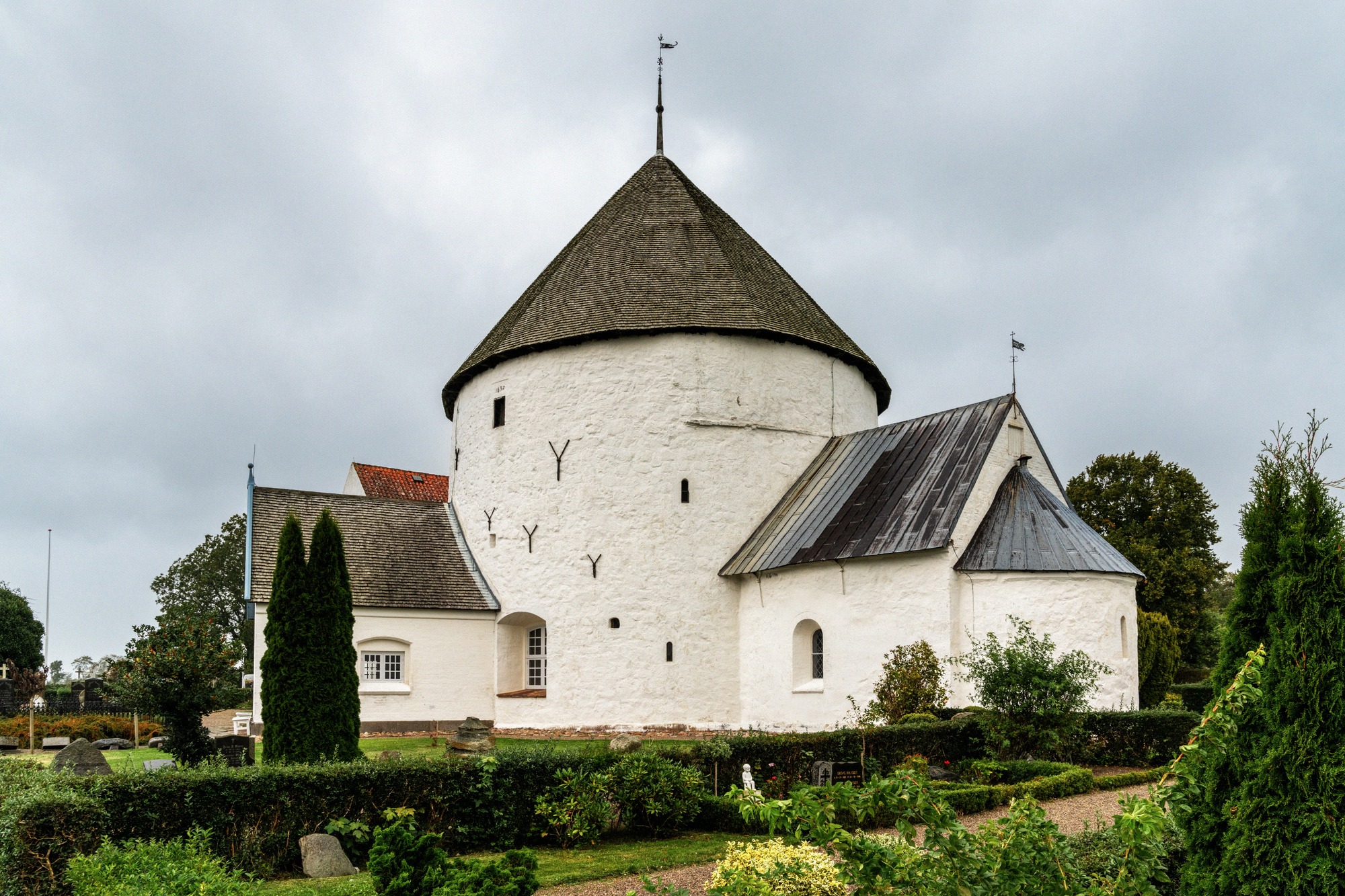
Bornholm's best-preserved round church, with Creation frescoes
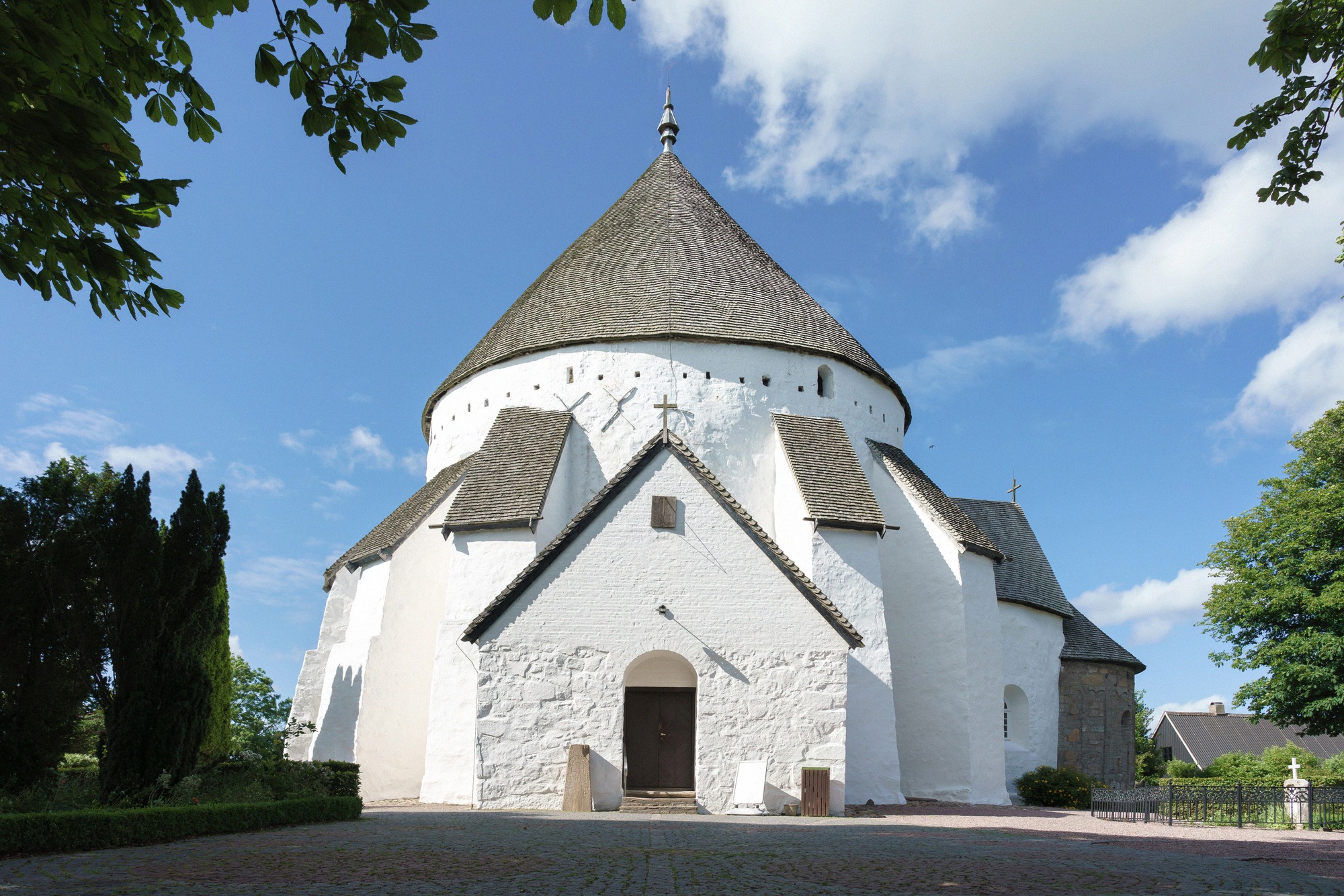
Bornholm's largest and oldest round church
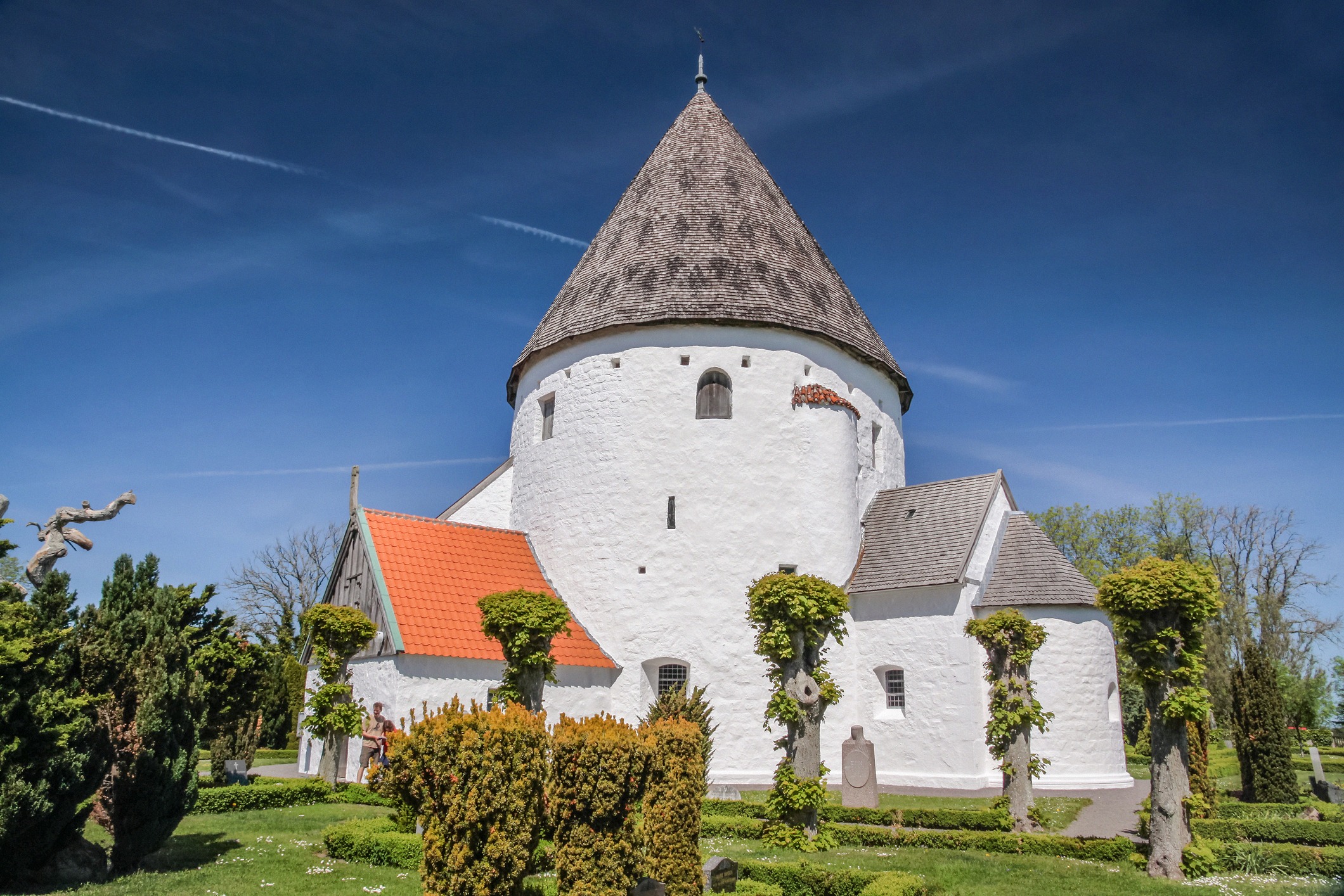
The island's tallest and slenderest round church
No results found.
Bornholm is an island of scattered destinations and small highlights: instead of a dense museum quarter, its attractions are spread across the whole island and out to sea. As standalone highlight pages, we cover the three classics here, the Hammershus castle ruin, the Hammeren lighthouses and the fortress island of Christiansø. Beaches are covered by their own Beaches hub; other sights such as the round churches, the Medieval Centre and glass art are covered further down and in the individual town profiles.
Hammershus at the north-western tip is the undisputed star: Northern Europe's largest castle ruin, perched on a 74-metre granite cliff above the Baltic Sea and, with around 400,000 visitors a year, the island's most-visited attraction. The ruin is freely accessible around the clock, year-round, and the Brohuset visitor centre with its exhibition costs nothing. Allow one to two hours, more if you want to climb up and take in the views.
Just a few kilometres away stand the Hammeren Lighthouses. Hammerfyr sits on Denmark's only granite horst; from its platform, on a clear day, the view stretches 91 metres above the sea to the Swedish coast and as far as Christiansø. The squat Hammerodde Fyr stands nearby by the water. For more on the topic, see the Lighthouses guide.
The third highlight lies 18 kilometres out in the Baltic Sea: Christiansø, Denmark's only skerry island and a preserved 1684 sea fortress. Car-free, with two tower museums and its own administration under the Ministry of Defence. The island can only be reached by ferry from Gudhjem.
Away from the three highlights, several more sights are worth combining into an island tour.
Medieval Centre and round churches. Near Gudhjem, the Bornholms Middelaldercenter in Østerlars brings the Middle Ages to life (open May to October, admission 90 to 125 kr depending on time of day, children 60 to 75 kr; big medieval festival in mid-July). Right next door stands Østerlars, the largest and oldest of Bornholm's four round churches, the others are Olsker, Nylars and Nyker. Four of Denmark's only seven medieval round churches stand on this one island; built in the 12th and 13th centuries partly as defensive structures, admission is usually 10 to 30 DKK.

NaturBornholm. In Aakirkeby, NaturBornholm explains the island's geology and nature across some 3,000 m², with dinosaurs and an outdoor area for fossil-hunting (season roughly April to October, daily 10:00 to 17:00, admission around 150 DKK, children around 75 DKK).
For families. The Brændesgårdshaven amusement park (formerly Joboland) near Svaneke combines rides, a large water park and a small petting zoo (May to September). More active is the Tovbanen zipline over Opalsøen near Allinge, said to be Denmark's longest - 290 metres across the former quarry lake (June to August, from 189 DKK, minimum height 120 cm).
Beaches and crafts. In the south lies the fine white sand of Dueodde beach; all the island's coastal stretches are gathered in the Beaches hub. Bornholm's second signature feature is its crafts scene, dig deeper with our guides to Glass Art and Shopping.
Two of the three highlights are free, one charges admission, and "open year-round" only applies with caveats:
For all three together, the best time to visit is the shoulder season in May to early June or early to mid-September: the tower museums and Hammerfyr are open, the ferry runs reasonably often, and Hammershus is less crowded. For practical tips on getting there, see our Getting There guide.