
Bornholm Art Museum
Art of the Bornholm School of painters at the Helligdomsklipperne cliffs
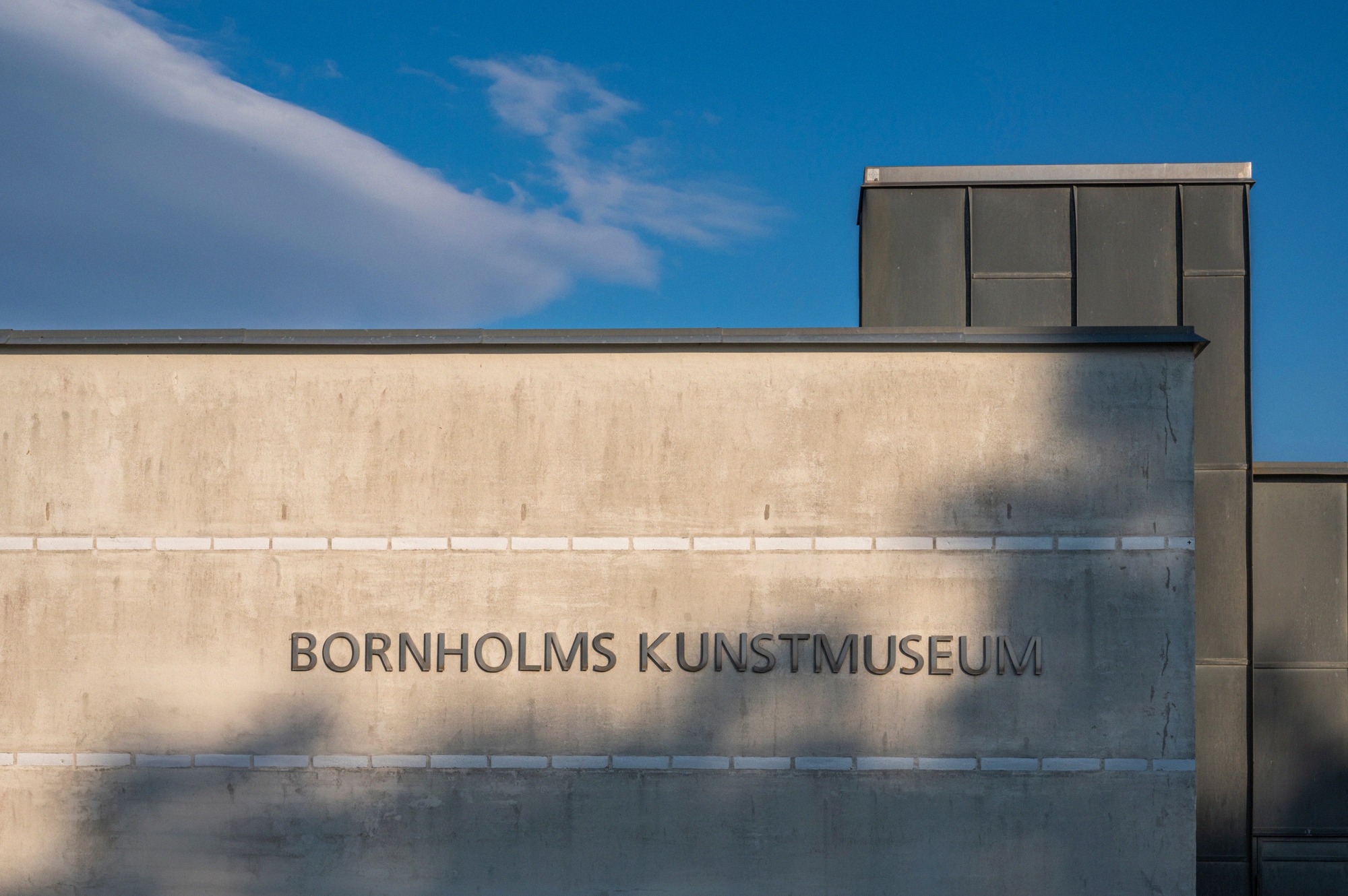
Bornholm Art Museum overlooks the Helligdomsklipperne cliffs, home to the Bornholm School painters Oluf Høst and Edvard Weie, award-winning architecture and a holy spring running through the house.
Contents
High above the Helligdomsklipperne, the famous rocky coastline between Gudhjem and Tejn, stands Bornholm Art Museum, a building where architecture, landscape and collection come together as one experience. The building itself is worth the trip: erected in 1993 by architects Fogh & Følner, the winners of a competition that drew 187 entries, and extended in 2003, it follows the natural slope down to the Baltic across three levels, built from brick, zinc, granite, sandstone and timber.
A holy spring running through the building
The architectural signature runs straight through the middle of the building: the Helligdomskilden, revered as a holy spring for centuries and the namesake of the cliffs, flows along an open channel down the central "museum street" and on towards the sea. Together with the view across the rocky coastline, it turns the building itself into an attraction.
The Bornholm School of painters and craft
At the heart of the collection is the Bornholm School of painters from around 1910 to 1930: Edvard Weie, Karl Isakson, Oluf Høst, Olaf Rude, Kræsten Iversen and Niels Lergaard, who painted on Bornholm and Christiansø - Isakson's and Weie's views of the house "Mindet" on Christiansø rank among the key works of Danish modernism. The museum also shows Bornholm-related art from the early 19th century to today, alongside ceramics and glass from the island, recognised as a World Craft Region for its arts and crafts. The collection belongs to the Bornholms Museumsforening, founded in 1893.
Getting there and practical information
- By car via Helligdomsvejen; dedicated parking on the south side of the museum.
- The BAT bus stops at Helligdommen station right by the building. In summer, the excursion boat M/S Thor sails from Gudhjem along the rocky coast to the jetty in around 55 minutes, the most scenic way to arrive.
- On foot: the coastal path from Gudhjem to the museum is about 6 kilometres, and the viewpoints over the Helligdomsklipperne lie right below the building.
- Accessible with a lift, elevator and disabled toilet; drop-off at the main entrance is possible.

Is it worth a visit?
For anyone interested in art, this is the island's most important museum, and the combination of building, spring and cliff landscape wins over visitors who don't normally seek out museums, too. For more of the island's history, combine it with Bornholm Museum in Rønne; for something more hands-on, head to Hjorths Fabrik, the working ceramics workshop.
Frequently asked questions
How much does admission to Bornholm Art Museum cost? +
Is the museum open on Mondays? +
How do I get there without a car? +
Is there parking and a café? +
Can I take photographs? +
Nearby
Melsted Beach
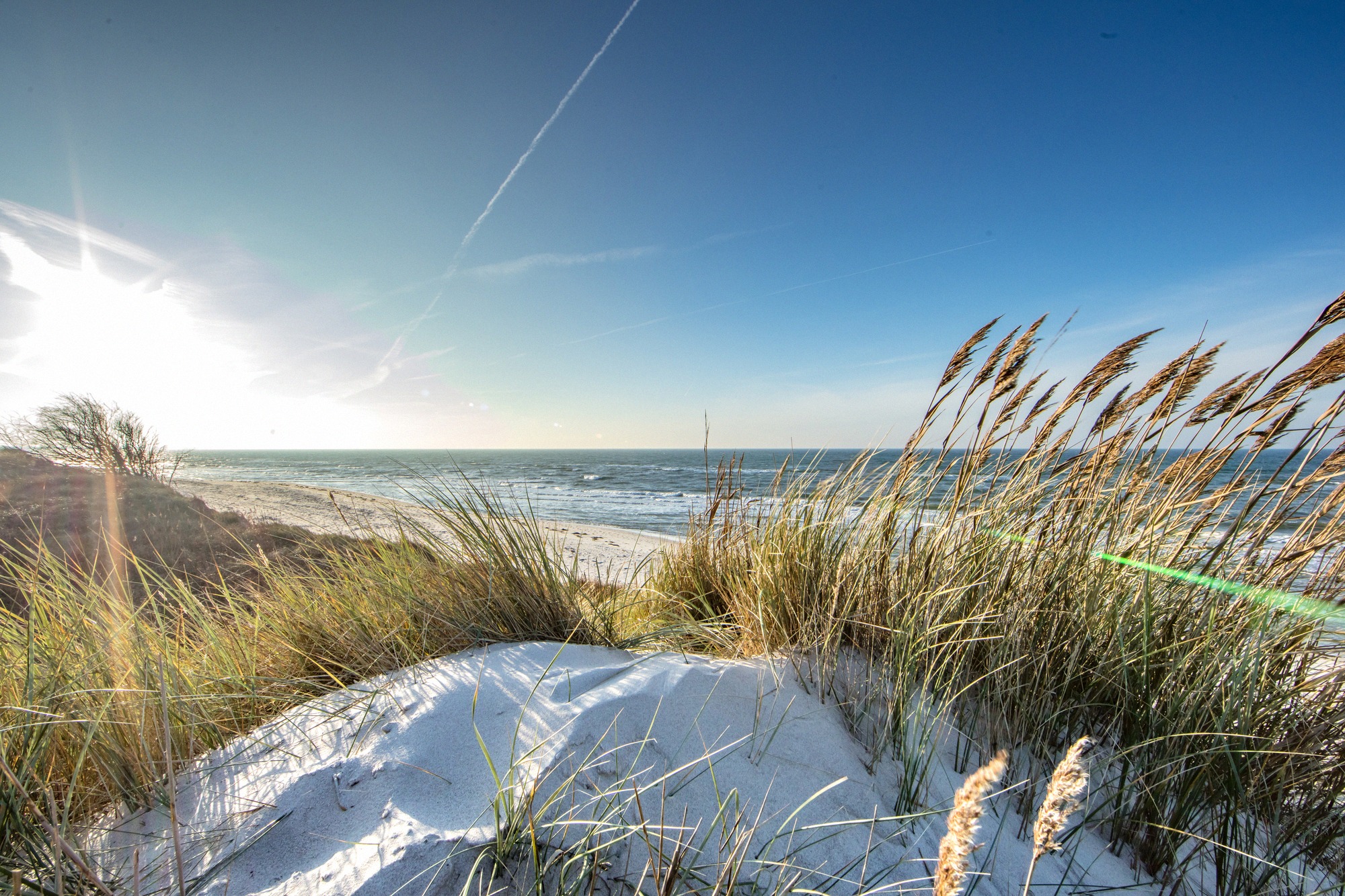
Small sandy beach in the fishing hamlet of Melsted south of Gudhjem, framed by cliffs. Open access, with a bathing jetty, a stream and the historic Melsted Badehotel right on the water.
Olsker Round Church
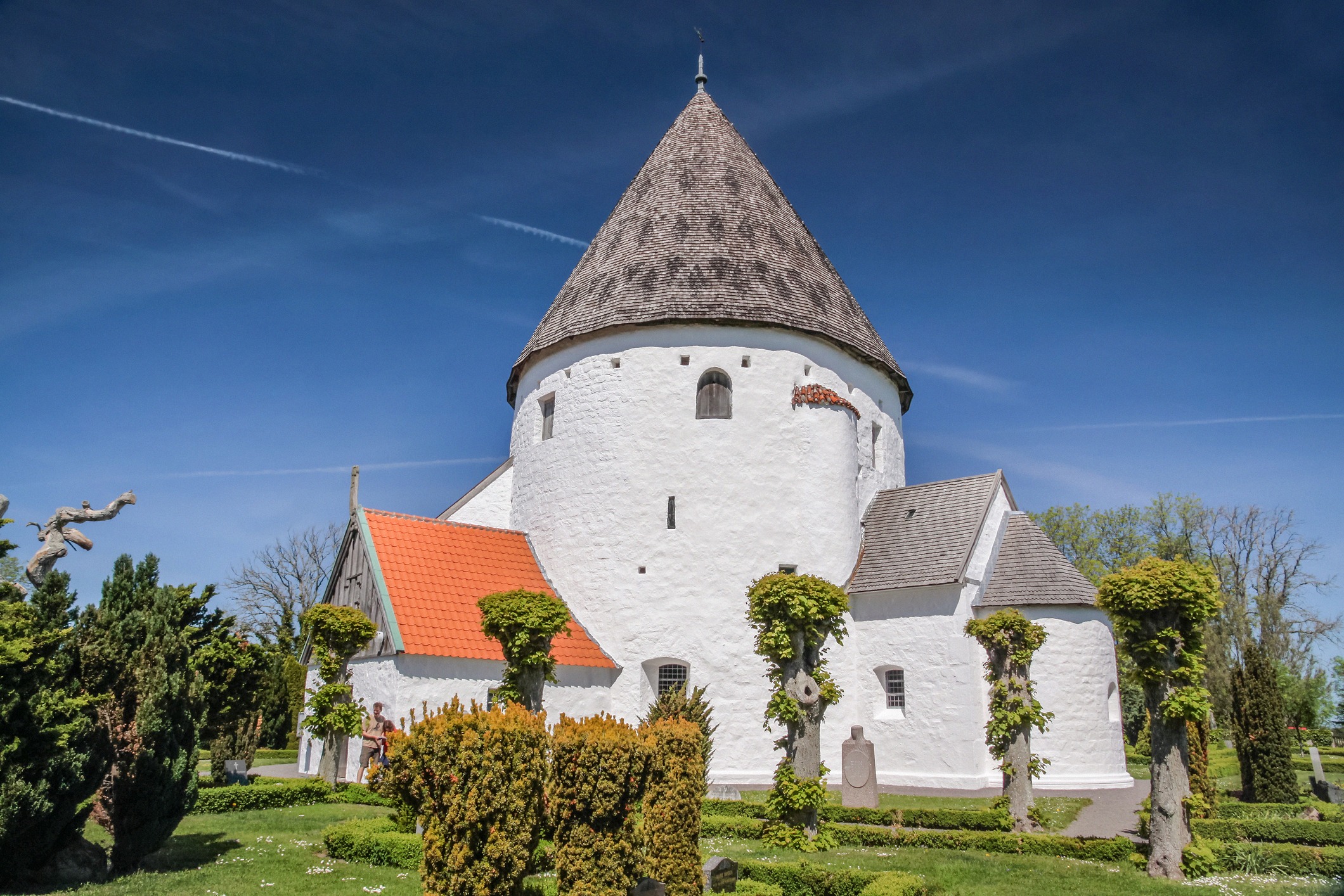
Olsker Round Church (Sankt Ols Kirke), built around 1150, is the tallest and most elegant of Bornholm's four round churches at 28 metres, visible for miles on its hilltop near Allinge.
Store og Lille Sandkås
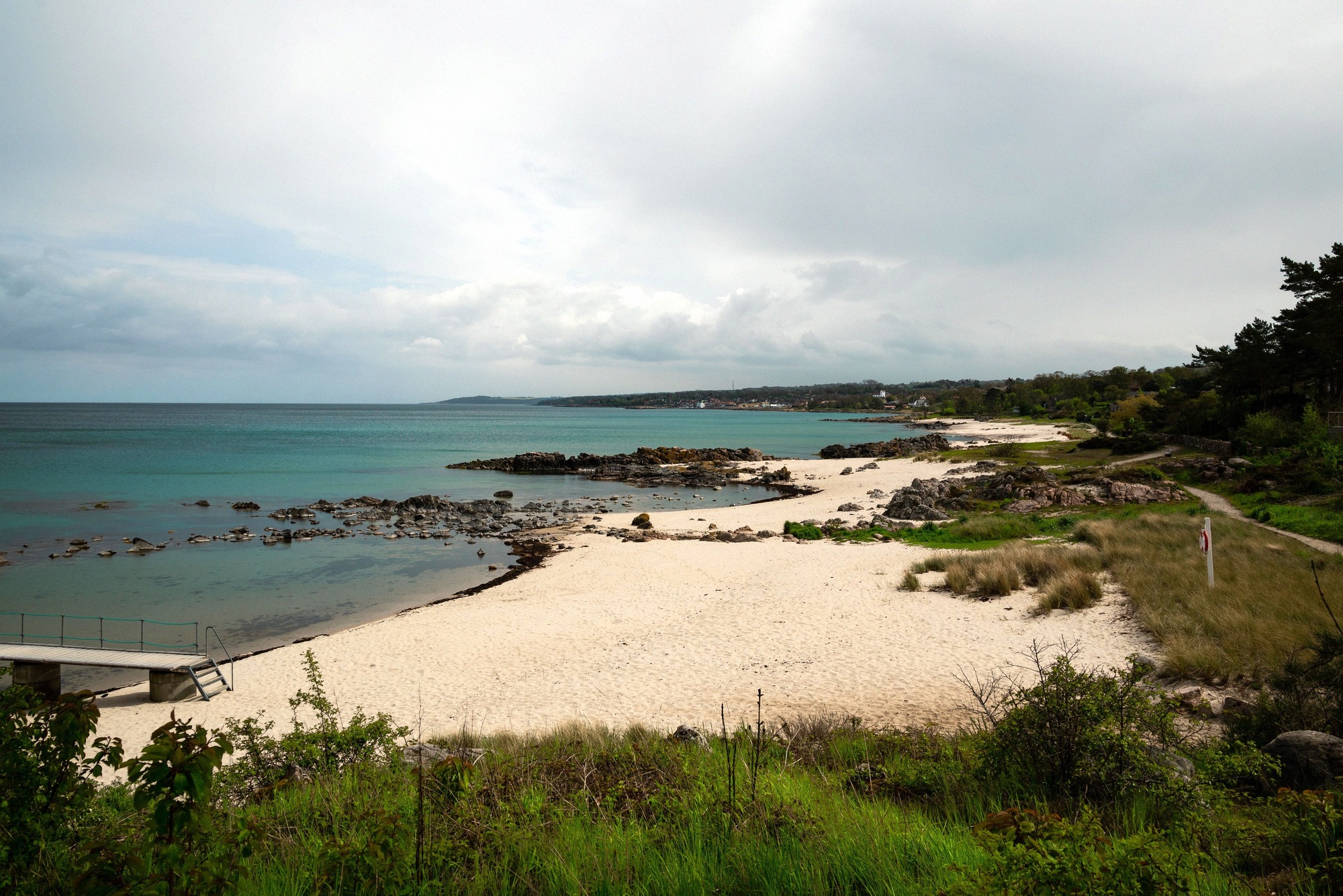
Two sandy coves between Tejn and Allinge on Bornholm's north coast, a sheltered pool for children, a bathing jetty and the start of the cliff path to Allinge.
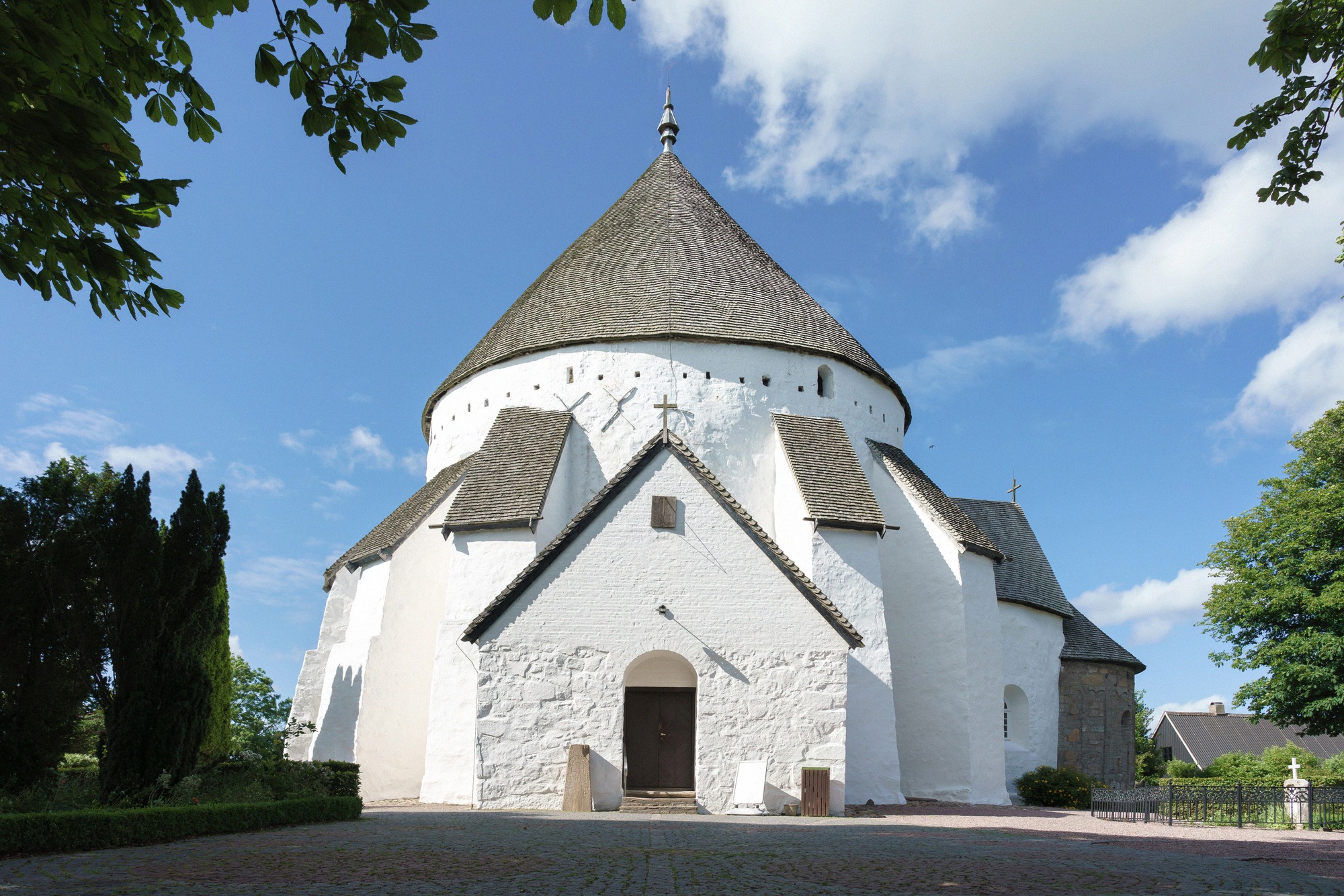
Østerlars Round Church
Østerlars Round Church, built around 1150, is the largest of Bornholm's four round churches, fortress church and landmark with murals from around 1350 on its hollow central pillar.
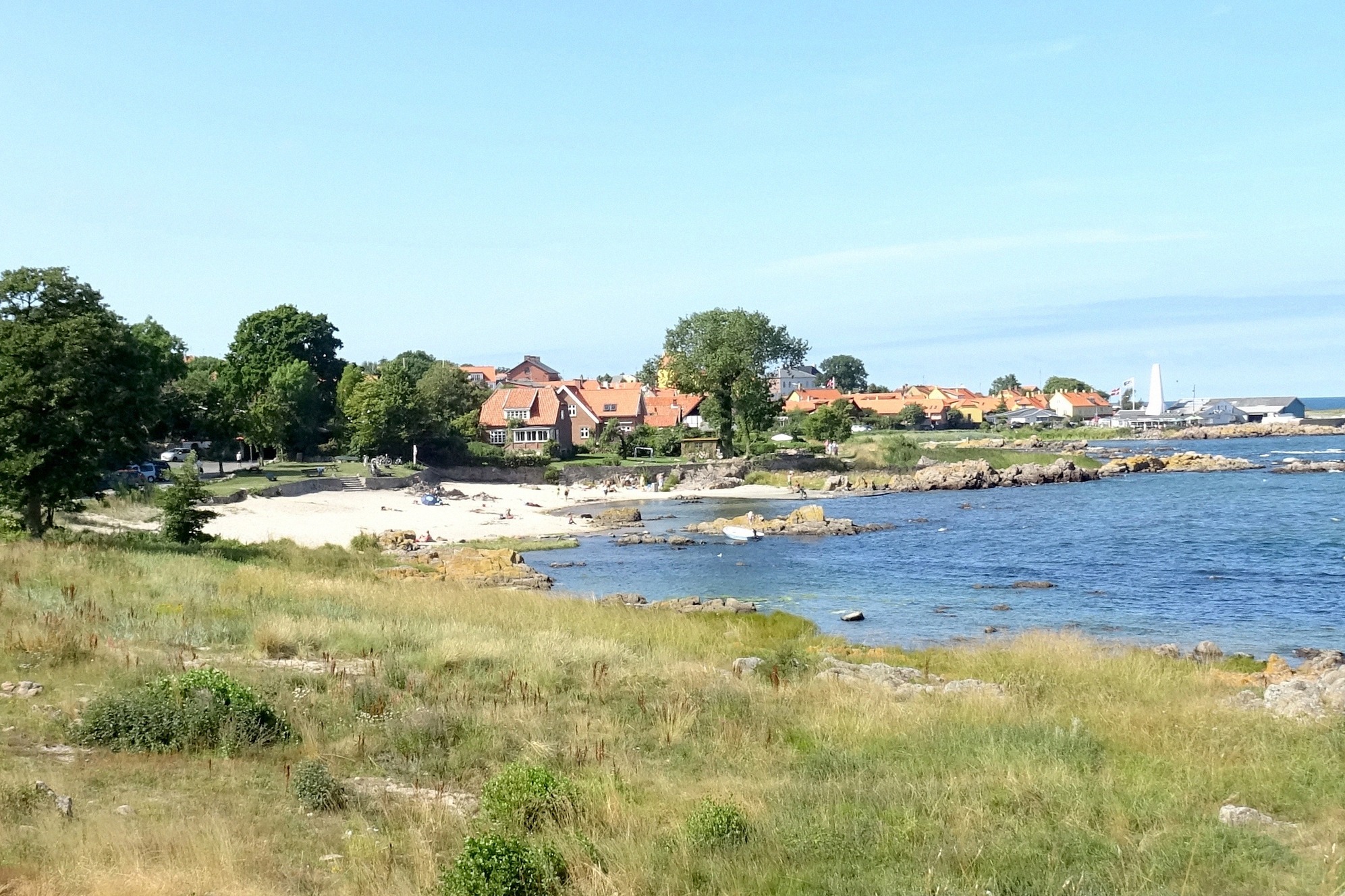
Næs Beach
Small bathing spot among granite rocks near Allinge: sandy beach, concrete jetty and ladder, shallow water for children, and a coastal path to Sandkås.
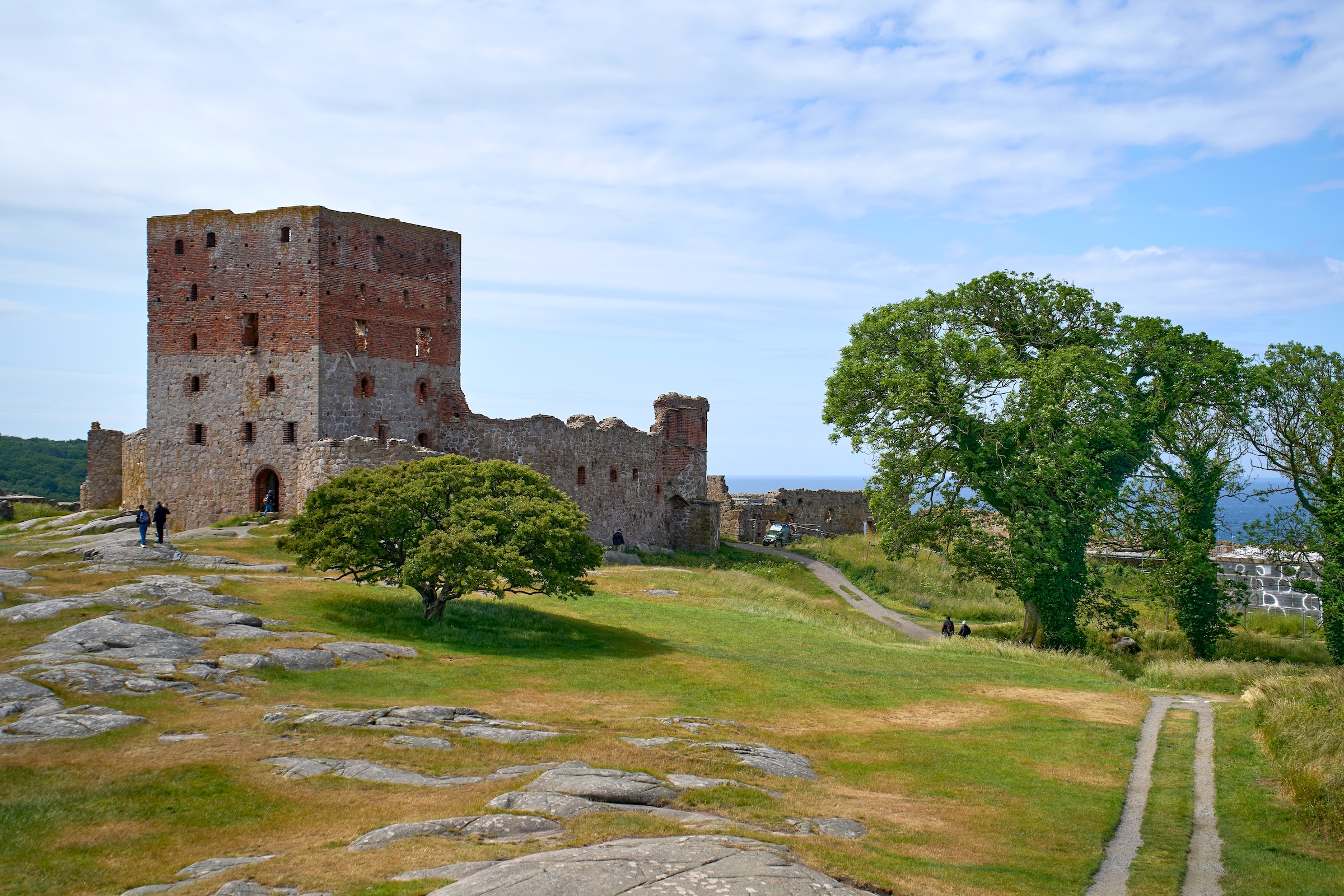
Hammershus
Hammershus is Northern Europe's largest castle ruin and Bornholm's most-visited attraction. Free access year-round, with a free visitor centre.