
Christiansø
1684 sea fortress with two tower museums
Christiansø, 18 km northeast of Bornholm, is Denmark's only skerry island, a 1684 sea fortress with two tower museums, car-free, reached by ferry from Gudhjem.

Contents
Christiansø lies around 18 km northeast of Bornholm and is Denmark's only skerry island. Together with neighbouring Frederiksø, the bird rock of Græsholm and several smaller reefs, it forms the Ertholmene archipelago, the easternmost point of the Kingdom of Denmark. Arriving here means stepping into a preserved 17th-century sea fortress that was never taken and has remained largely unchanged since 1855.
History of the fortress island
Fishermen from Bornholm had already been using the uninhabited "pea islands" as a base for herring fishing since the mid-16th century. The turning point came when Denmark was forced to cede all territory east of the Øresund after its war against Sweden in 1658. To keep watch on Swedish fleet movements, King Christian V ordered a sea fortress to be built in 1684.
Norwegian engineer Anthon Coucheron led the works, which involved up to 450 men. The Great Tower and Small Tower took shape, along with bastions, barracks and workshops. In 1810 the island reached its peak population of 829 residents. The fortress was shelled several times but never captured, not even during the British attack in October 1808, during the Gunboat War. By the mid-19th century, weapons technology had overtaken the fortifications; they were decommissioned in 1855 and placed under heritage protection. Nowhere else in Denmark is a historic complex of this scale so consistently preserved in its original state.

A special status within the kingdom
The pea islands belong to the Danish state under the Ministry of Defence rather than to any municipality, a unique arrangement in the country. The ministry appoints an administrator, fondly nicknamed the "King of Christiansø" by the roughly 90 permanent residents. Islanders refer to their home simply as "Øerne" (the islands) and to Bornholm as "the mainland".
Island life runs on its own rules: there are no municipal taxes, and the tax rate is lower than in the rest of Denmark. The tiny island school teaches children up to grade 7. The islands are car- and bike-free, and dogs are not allowed because of the open drinking-water reservoirs. Every resident is bound by strict heritage rules, in principle, not even a broken roof tile can simply be replaced; a matching old one has to be found instead.
What to expect on the islands
The two tower museums are the heart of a visit, and a single ticket covers both. The Great Tower (Store Tårn) on Christiansø was renovated between 2014 and 2018 and now has a glass roof over its 1800 lighthouse. Inside are permanent exhibitions on the islands' history and nature, changing art shows and a digital animation of the 1808 British attack; from the platform, a 360-degree view stretches out over the skerries. The Small Tower (Lille Tårn) on Frederiksø houses a rustic local history museum covering military and cultural history, the highlight is a fortress model from 1850.

Around the towers, well-preserved fortress walls, bastions and gates shape the scene. Also worth seeing are the former state prison for political detainees, the historic church (once a weapons forge) and the terrace of the guesthouse restaurant.
The nature of Ertholmene has a particular appeal: grey Hammer granite, rounded smooth by glaciers, set in a sunnier and drier climate than on the mainland. On uninhabited Græsholm, around 10,000 pairs of herring gulls breed, and the common guillemot breeds here as its only Danish colony. In spring, eider ducks nest all over the islands. The whole archipelago is a nature park and nature reserve.
Getting there by ferry
You can only reach Christiansø by boat. Christiansøfarten runs the ferry from Gudhjem: the M/S Ertholm in summer, and the small mail boat Peter in winter. The crossing takes around 55 minutes to an hour.
- In peak season (roughly late June to late August) the boat sails several times a day from Gudhjem, including departures at 10:00, 12:30 and 15:00.
- In the shoulder seasons and winter, the mail boat Peter runs on weekdays - Mondays and Fridays from 10:30, Tuesdays to Thursdays from 10:00; the return trip from Christiansø is usually around 13:00.
- Sailings depend on the weather. Check the binding 2026 timetable before you travel at christiansoefarten.dk.
Most visitors come for a day trip of around three hours, enough time for both towers, a walk around the bastions and a stop at the guesthouse restaurant. Because boat capacity is limited, the island never feels crowded. For how to get to Bornholm in the first place, see the guide on getting to Bornholm.
Staying overnight
When the last day-tripper boat pulls away in the late afternoon, the mood on the island changes noticeably. For those who want to stay, there are a few options:
- The Christiansø Gæstgiveri (guesthouse) rents six double rooms, doubles from 1,250 DKK, singles from 1,150 DKK, both including breakfast.
- The campsite at Hertugindens Bastion costs from 75 DKK per pitch plus a per-person fee in the off-season, and from 115 DKK in peak season (21 June-11 August).
- An administration flat is available from 590 DKK a night.
- The Ballonen youth hostel, in the former prison cells, is expected to be closed through 2025 and 2026 due to harbour renovation works, check current availability before booking.
The natural harbour between the two main islands also offers moorings for sailors.
Is it worth the trip?
Christiansø isn't a beach destination, it's a trip for anyone drawn to history, rugged nature and remoteness. If your time on Bornholm is limited, plan the day deliberately: the ferry costs both time and money, and it's cancelled in rough seas. In return, you get a preserved sea fortress where it's hard to imagine that over 800 people once lived.
The visit pairs well with a day based in Gudhjem. The fortress theme continues at the ruined castle of Hammershus in the island's north, from where, on a clear day, you can see across the Hammeren lighthouses all the way to Christiansø.
Frequently asked questions
How do you get to Christiansø? +
What does a day trip to Christiansø cost? +
When are the tower museums open? +
Can you stay overnight on Christiansø? +
Are dogs allowed on Christiansø? +
Nearby
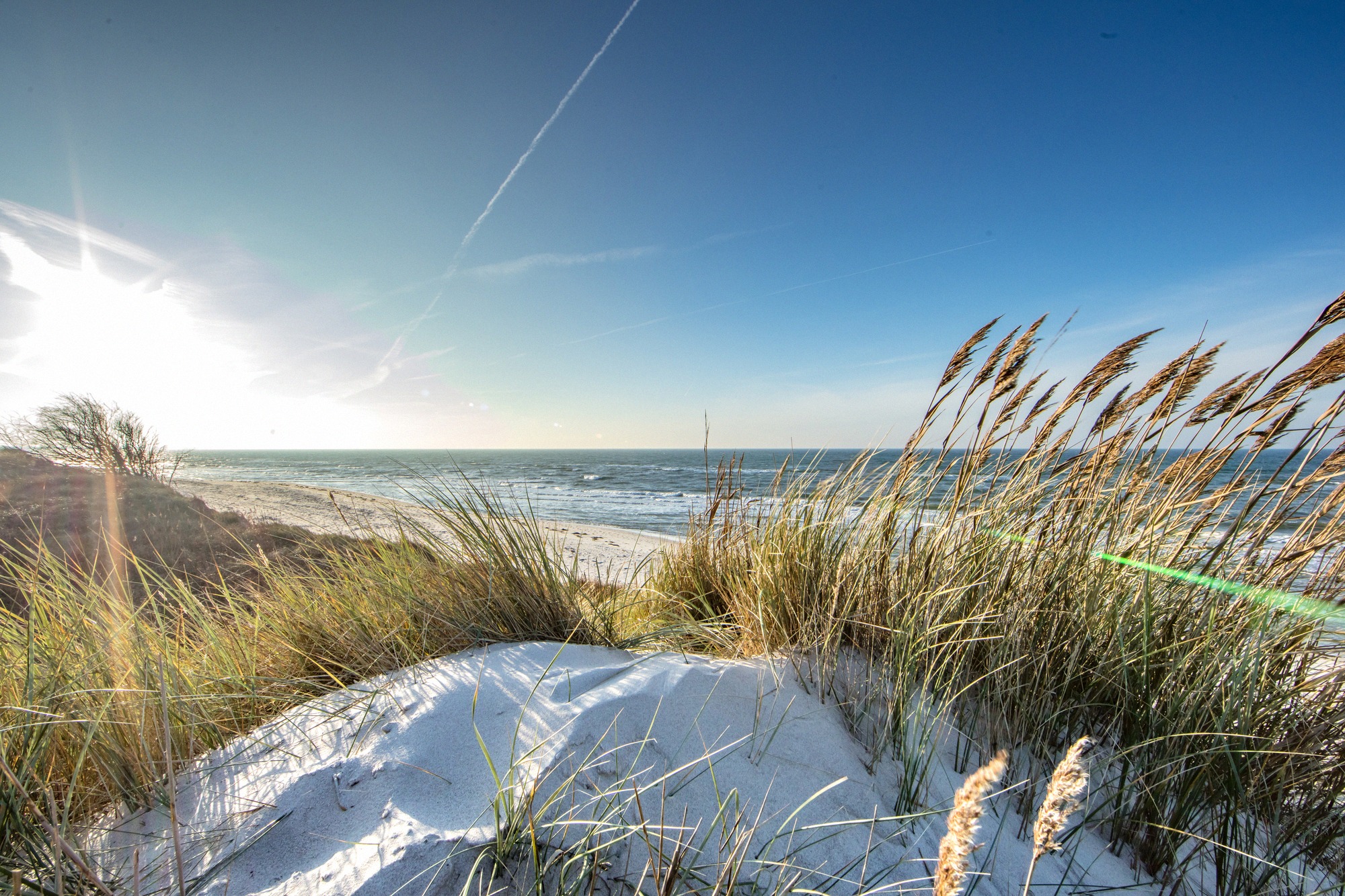
Melsted Beach
Small sandy beach in the fishing hamlet of Melsted south of Gudhjem, framed by cliffs. Open access, with a bathing jetty, a stream and the historic Melsted Badehotel right on the water.
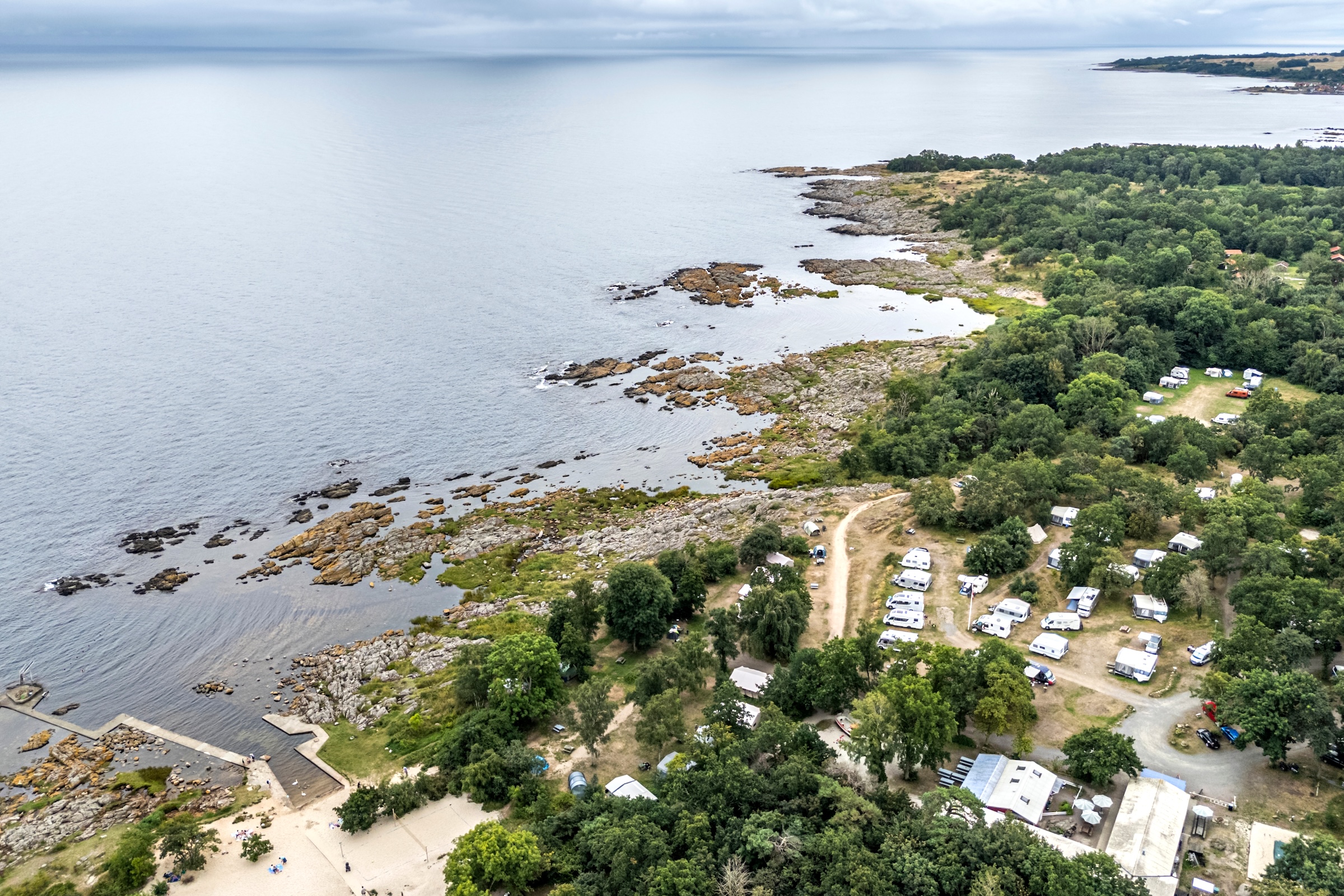
Hullehavn Beach
Small bathing bay on Svaneke's eastern edge with a built-up sandy beach, diving tower and crystal-clear water. Free entry, open all year.
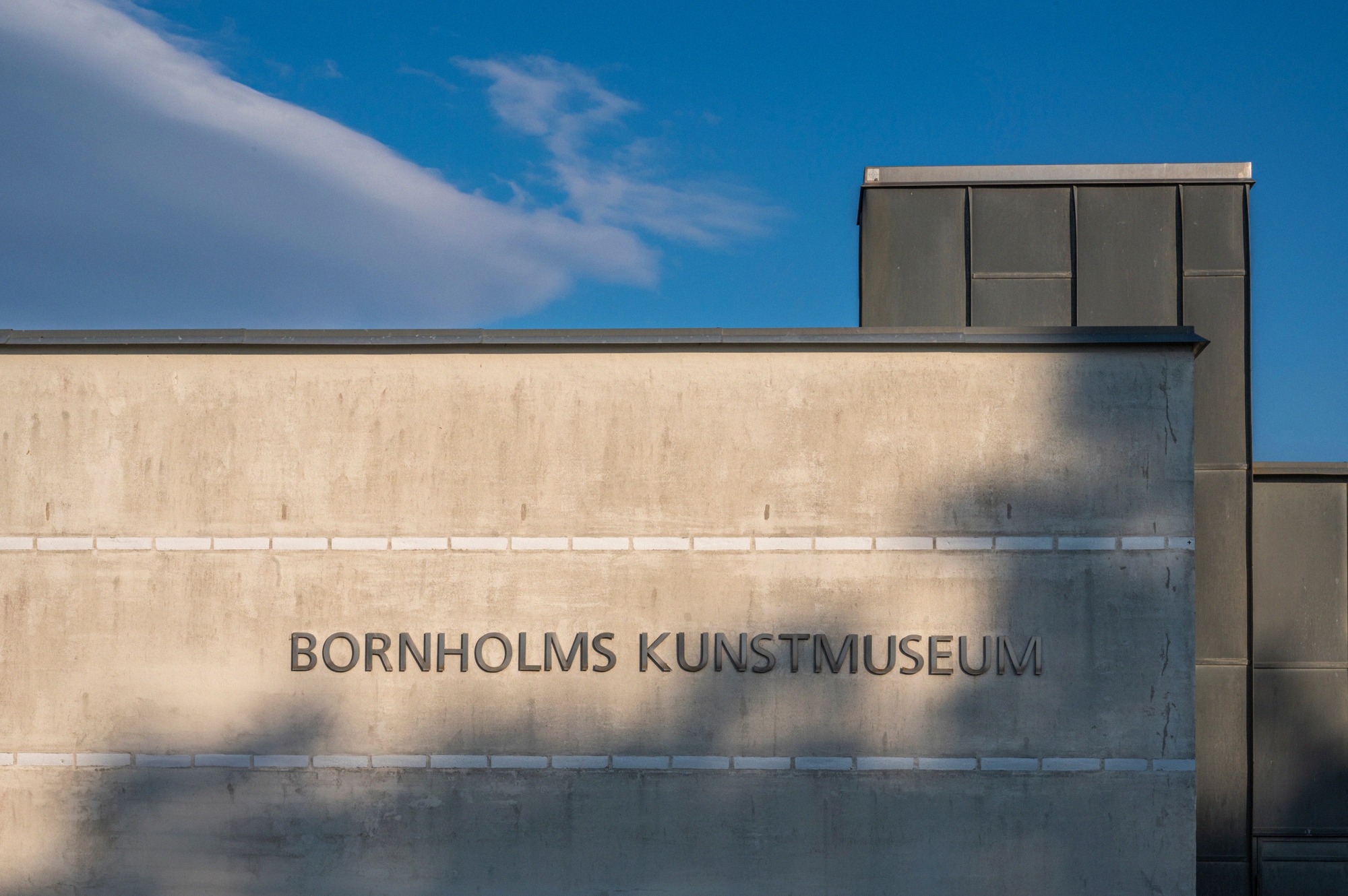
Bornholm Art Museum
Bornholm Art Museum overlooks the Helligdomsklipperne cliffs, home to the Bornholm School painters, award-winning architecture and a holy spring inside.
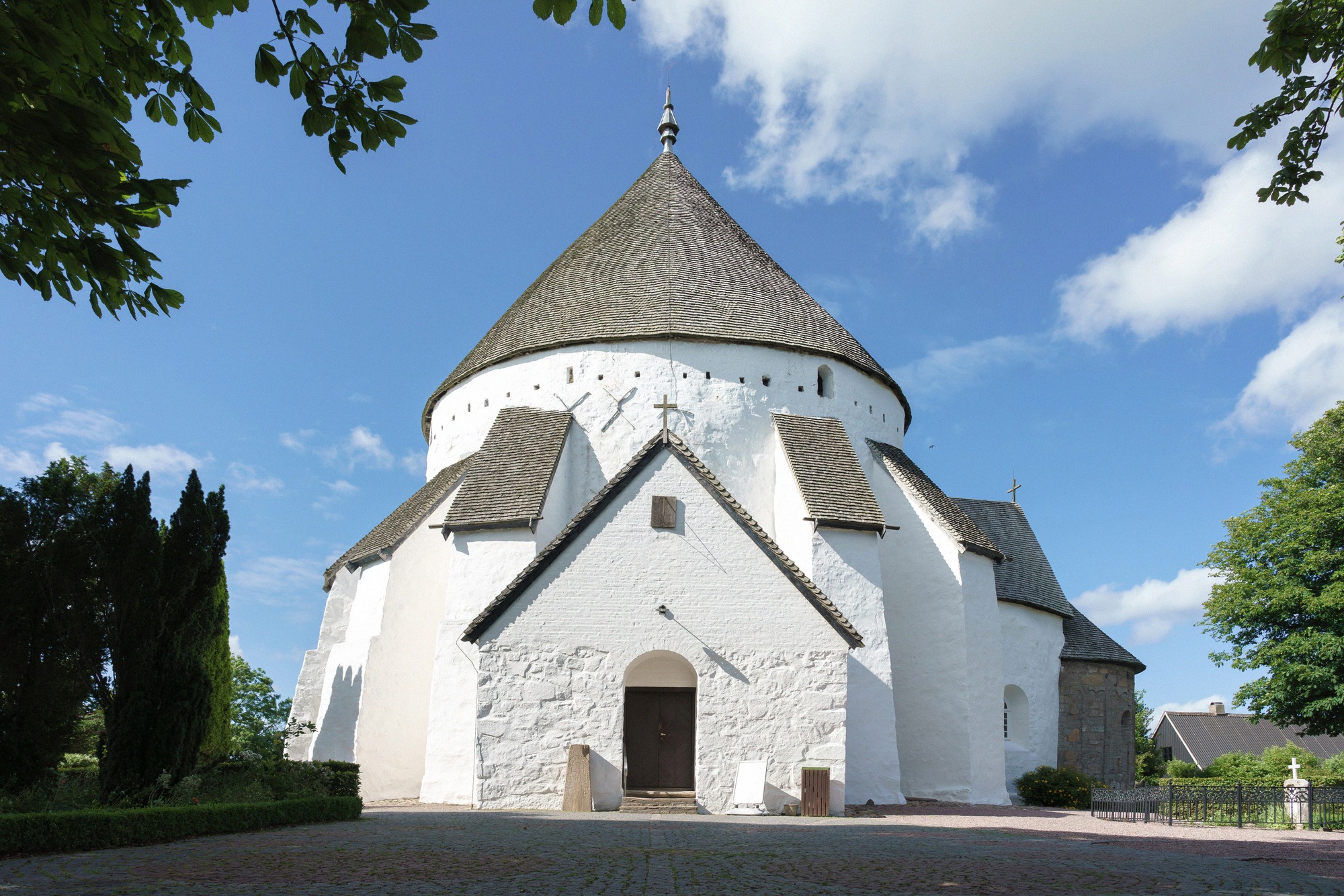
Østerlars Round Church
Østerlars Round Church, built around 1150, is the largest of Bornholm's four round churches, fortress church and landmark with murals from around 1350 on its hollow central pillar.
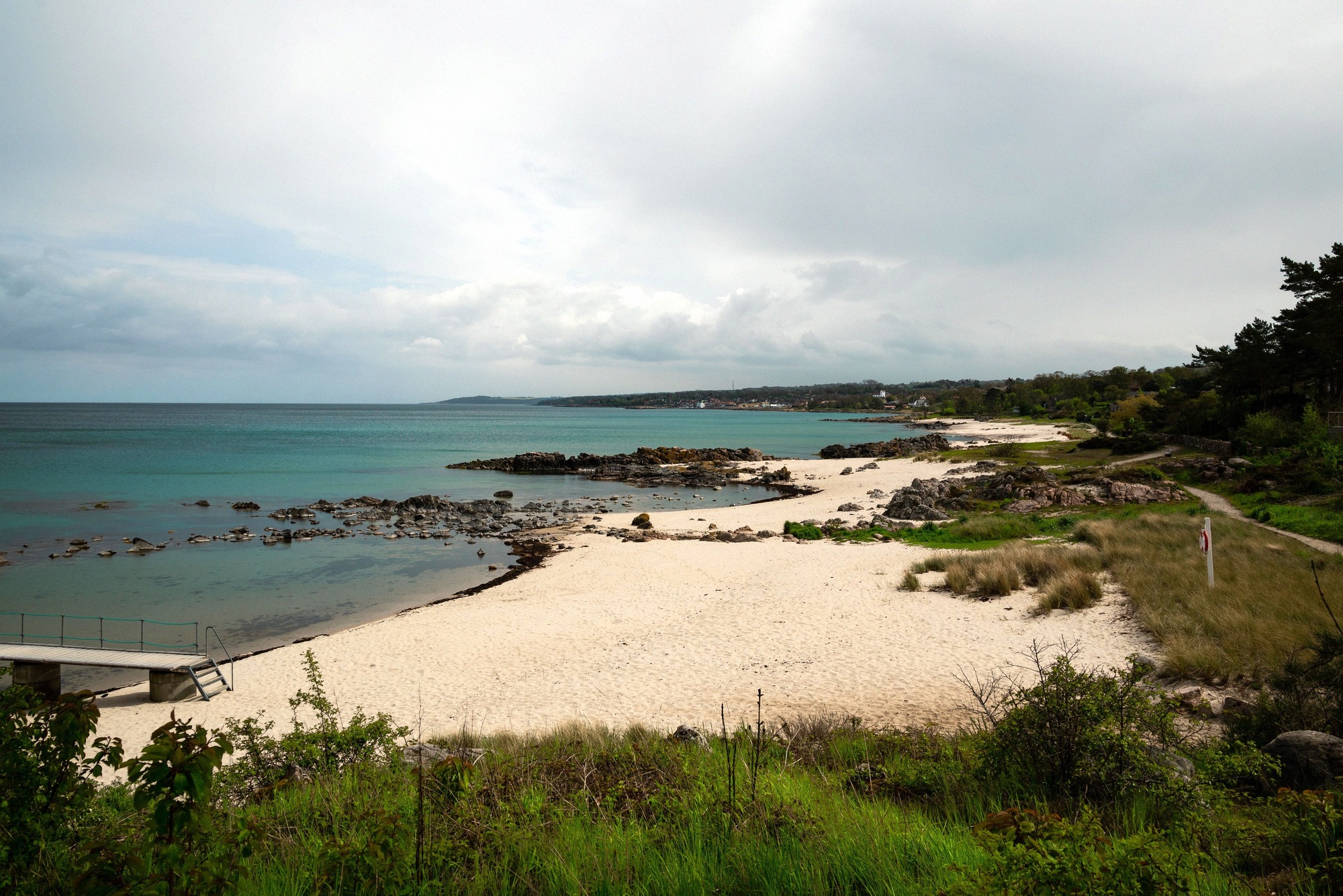
Store og Lille Sandkås
Two sandy coves between Tejn and Allinge on Bornholm's north coast, a sheltered pool for children, a bathing jetty and the start of the cliff path to Allinge.
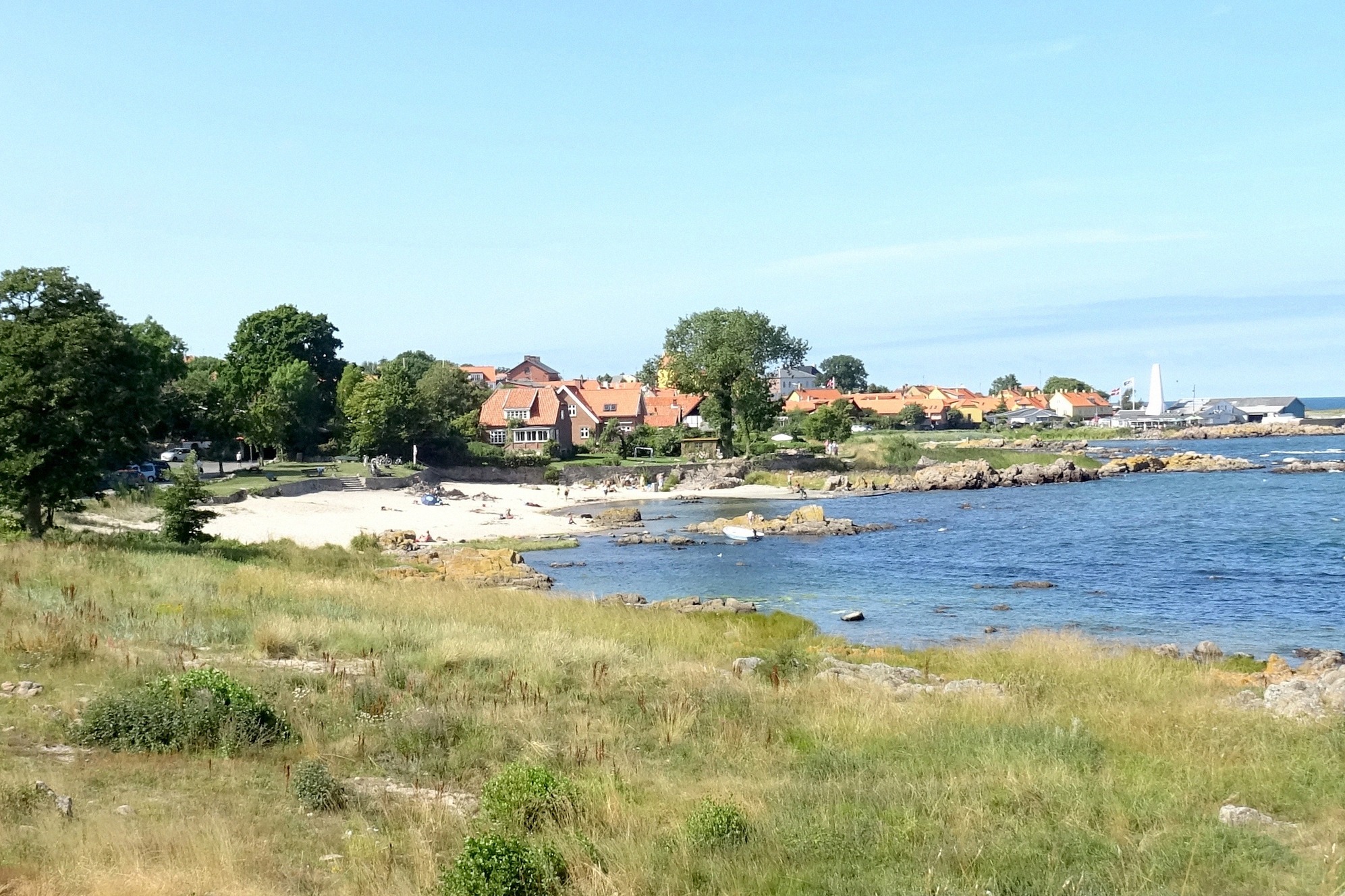
Næs Beach
Small bathing spot among granite rocks near Allinge: sandy beach, concrete jetty and ladder, shallow water for children, and a coastal path to Sandkås.